
Признаки неравномерного нагрева и медленного повышения температуры
В лабораторных или промышленных условиях, муфельная печь пользователи часто сталкиваются со следующими характерными проблемами:
- Установленная температура не достигает заданного значения.
- В зонах печи наблюдаются значительные температурные градиенты (например, перепады температуры сверху вниз или спереди назад).
- Скорость нагрева заметно снижается по сравнению с новым устройством.
- Образцы демонстрируют неравномерное спекание, или аналитические результаты показывают увеличение погрешностей.
Эти симптомы обычно указывают на нарушение внутреннего теплового поля или сбой системы управления.
Сегодня, CVSIC доли проверенные причины и способы устранения неравномерного нагрева муфельной печи, что позволяет вам быстро диагностировать и устранять проблемы для обеспечения надежной работы.
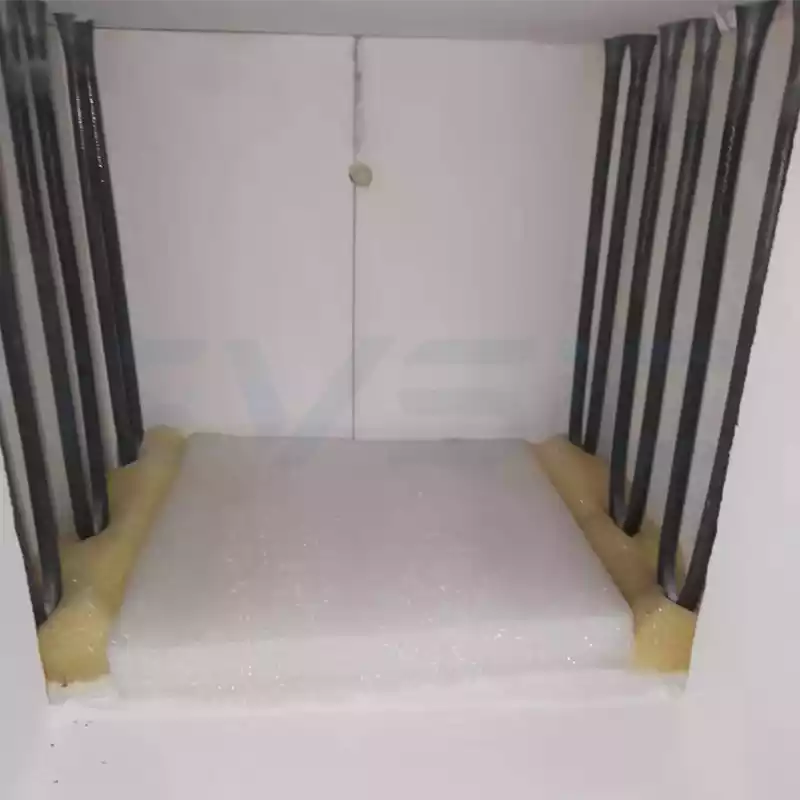
Распространенные причины и способы устранения неравномерного нагрева в муфельных печах
Неравномерный нагрев возникает, когда распределение температуры в камере печи значительно варьируется, часто в виде горячего центра с более холодными краями или изолированными горячими точками. Это может нарушить целостность образца, например, привести к неравномерному спеканию керамики. Ниже мы описываем основные причины и практические способы их устранения.
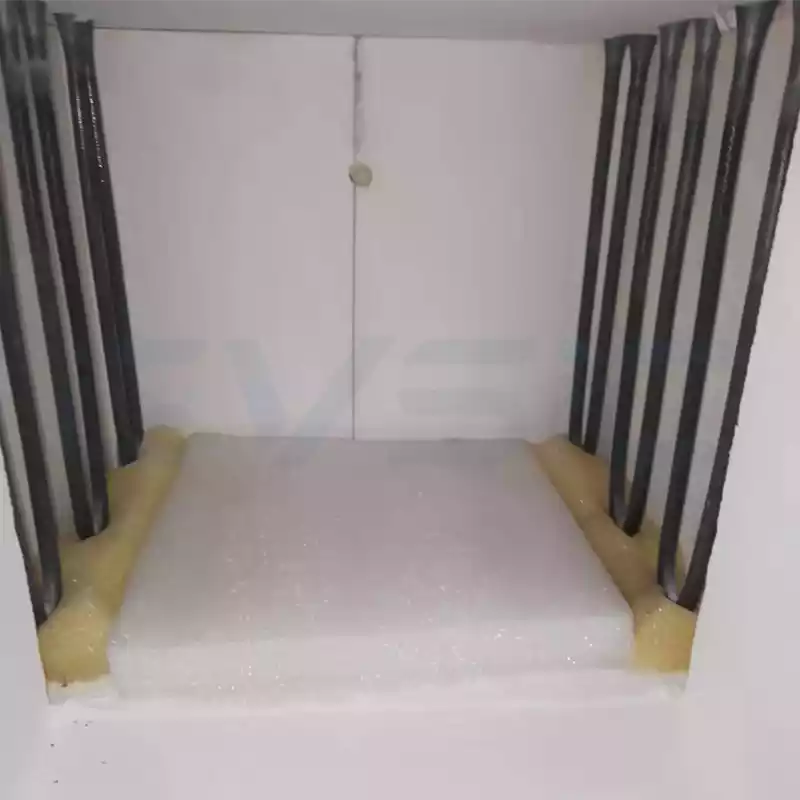
Неравномерное распределение или старение нагревательных элементов
- Печи с резистивными нагревательными элементами(<1200℃): Длительное воздействие высоких температур вызывает окисление, увеличивая сопротивление и снижая теплоотдачу.
- Элементы SiC (1400℃): В течение длительных циклов сопротивление быстро возрастает, что приводит к понижению температуры в затронутых элементах.
- Элементы MoSi2 (1600–1800 °C): Хрупкие трещины или окисление торцевых крышек нарушают локальный нагрев.
- В целом, неправильная установка или локальное старение приводят к неравномерному тепловыделению.
Решения:
- Используйте мультиметр для проверки равномерности сопротивления во всех зонах нагрева.
- Замените любой элемент, если сопротивление превышает начальное значение более чем на 20%.
- Ежемесячно проводите очистку, чтобы удалить поверхностную пыль и накопления оксида.
- Ограничьте скорость нагрева до 10 °C/мин, чтобы предотвратить тепловую нагрузку и продлить срок службы элемента.
Как определить, что нагревательные элементы муфельной печи нуждаются в замене?
Старение или повреждение изоляции камеры печи
- Изоляционные кирпичи или плиты из керамического волокна может разрушиться или растрескаться после длительного воздействия высокой температуры, что приведет к утечке тепла.
- Неплотно закрывающиеся уплотнители двери печи создают щели, которые способствуют образованию “холодных точек” из-за утечки тепла.
Решения:
- Проверяйте стенки камеры и уплотнения дверей на наличие трещин и при необходимости незамедлительно заменяйте их.
- Используйте тепловизионную камеру для точного определения мест утечки.
- Для обеспечения непрерывной работы следует каждые 2–3 года заменять изоляционный слой, чтобы сохранить эффективность.
Старение или неправильная настройка термопар (датчиков температуры)
- Окисление или неправильное расположение препятствуют точному определению фактической температуры ПИД-регулятором, что приводит к избыточной или недостаточной компенсации.
- Это часто отображается в виде обычных показаний дисплея, несмотря на то, что фактическая температура печи низкая.
Решения:
- Убедитесь, что глубина вставки термопары соответствует рекомендациям производителя (обычно одна треть от середины камеры).
- Для обеспечения точности откалибруйте прибор по стандартному термометру.
- Заменяйте или перекалибруйте каждые 1000 часов работы, чтобы обеспечить точность управления.
Несоответствующие параметры ПИД-регулирования или сбои модулей
- Неоптимальный PID настройки (значения P, I, D) могут вызвать циклы перерегулирования или задержку реакции на нагрев.
- Неисправные модули регулирования температуры или неисправные токовые реле еще больше ухудшают стабильность нагрева.
Решения:
- Запустите процесс автоматической настройки, чтобы сбросить параметры ПИД.
- Проверьте реле на панели управления и подключения питания на предмет ослабления.
- Для промышленных муфельных печей рекомендуется перейти на модульную систему управления PLC, чтобы повысить надежность.
Недостаточное напряжение питания или плохие электрические контакты
- Напряжение питания падает ниже номинального уровня (например, с 380 В до 360 В), что приводит к немедленному отключению подачи питания.
- Старые, окисленные или ослабленные линии электропередачи вызывают колебания тока.
Решения:
- Измерьте входное напряжение и убедитесь, что оно остается в пределах ±5% от номинального значения.
- Затяните винты клемм на соединениях питания, чтобы закрепить контакты.
- Если колебания напряжения продолжаются, установите стабилизатор напряжения или специальный защитный устройство.
Неправильная загрузка образца или ограниченный поток воздуха
- Переполненные образцы или лотки, препятствующие циркуляции, приводят к неравномерному распределению тепла.
- Ограниченная конвекция задерживает локальный нагрев, замедляя общий рост температуры.
Решения:
- Для равномерного распределения воздушного потока соблюдайте расстояние не менее 2–3 см между образцами и стенками печи.
- Выбирайте поддоны, устойчивые к высоким температурам, вместо того, чтобы размещать предметы прямо на полу.
- Для обогрева больших помещений перейдите на многозонные печи, чтобы оптимизировать равномерность распределения тепла.
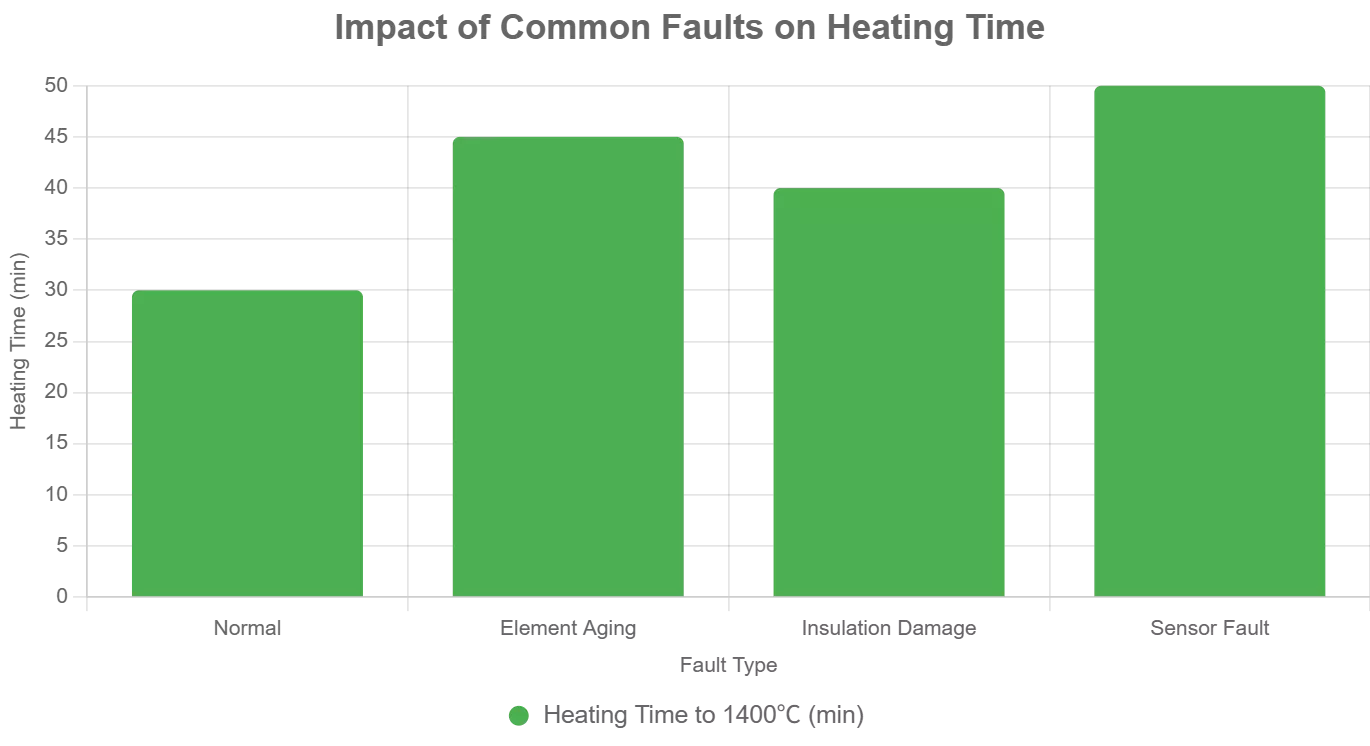
Влияние распространенных неисправностей на время нагрева
На приведенной ниже диаграмме показано, как типичные неисправности влияют на время разгона (на основе данных CVSIC):
Комплексная диагностика и рекомендации по техническому обслуживанию
| Проблема, обнаруженная | Возможные причины | Методы быстрой диагностики |
| Медленный нагрев | Повышенное сопротивление, недостаточное напряжение | Измерение изменений тока и сопротивления |
| Неравномерная температура | Старение компонентов, повреждение изоляции | Тепловизионное изображение теплового поля |
| Колебания температуры | Неисправность термопары или ПИД | Сравнение фактической и отображаемой температур |
| Локальный перегрев | Образец препятствия, плохой воздушный поток | Настройка путей загрузки и вентиляции |
Рекомендации инженеров CVSIC
- Для обеспечения максимальной производительности каждые три месяца проводите осмотр интенсивно используемых лабораторных печей.
- Используйте только сертифицированные OEM нагревательные элементы и термопары, чтобы избежать проблем и продлить срок службы оборудования.
- Если скорость нагрева снижается на 15% или более, немедленно проверьте выходную мощность, чтобы предотвратить простои.
Заключение
Эффективность муфельной печи зависит от обслуживание, а не только дизайн.
Придерживайтесь регулярного графика технического обслуживания с CVSIC или проконсультируйтесь с нашей инженерной командой по поводу индивидуальных планов обслуживания. Это обеспечит надежную работу и соответствие инженерным стандартам CVSIC для бесперебойного пользовательского опыта.
Вам может понадобиться следующая информация: