

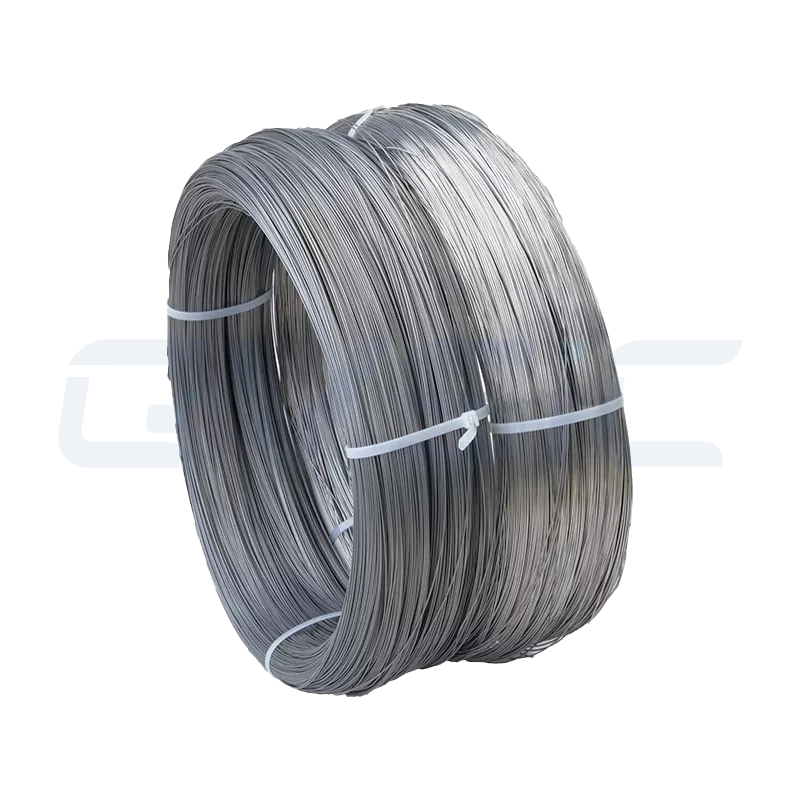
FeCrAl Wire Diameter Guide: Impact on Heating Performance & Lifespan
Wire diameter is among the most decisive design parameters for FeCrAl heating elements. It directly governs: Many users assume “thicker…
Wire diameter is among the most decisive design parameters for FeCrAl heating elements. It directly governs: Many users assume “thicker…
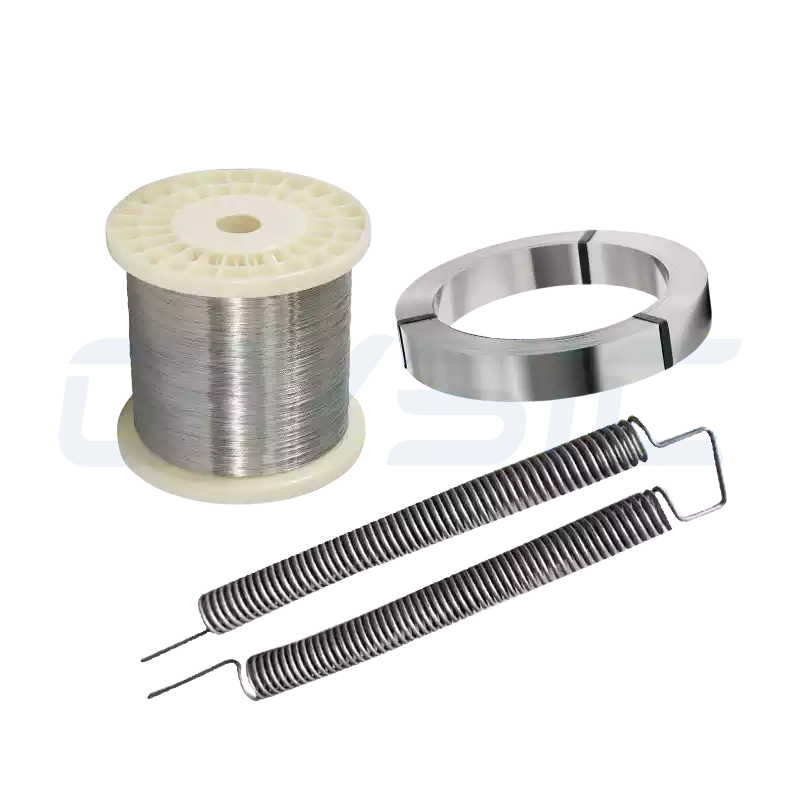
Why Does the Same FeCrAl Alloy Show Dramatically Different Lifespan in Different Forms? In high-temperature FeCrAl projects, a frequent complaint…
A ton of people have the same wrong idea about FeCrAl wire life: “I went with the high-temp version—why is…

FeCrAl resistance wire is the most common electric heating element in industrial furnaces, offering excellent high-temperature resistance and oxidation resistance.…
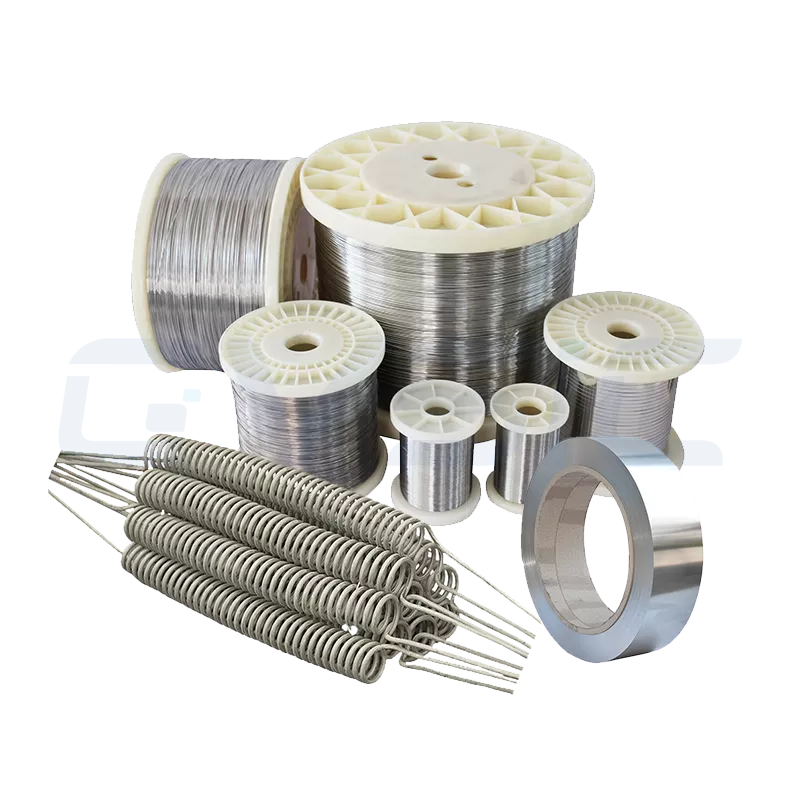
From our earlier guides on FeCrAl fundamentals and the seven primary grades, you already understand: This article delivers a clear,…
Product catalogs often list a dozen FeCrAl grades: 0Cr23Al5, 0Cr25Al5, 0Cr21Al6, 0Cr27Al7Mo2, 0Cr21Al6Nb, and more. The real questions are: Memorizing…

In real industrial electric heating setups, FeCrAl isn’t “the safe bet”—it’s actually one of the most misunderstood and misused materials…
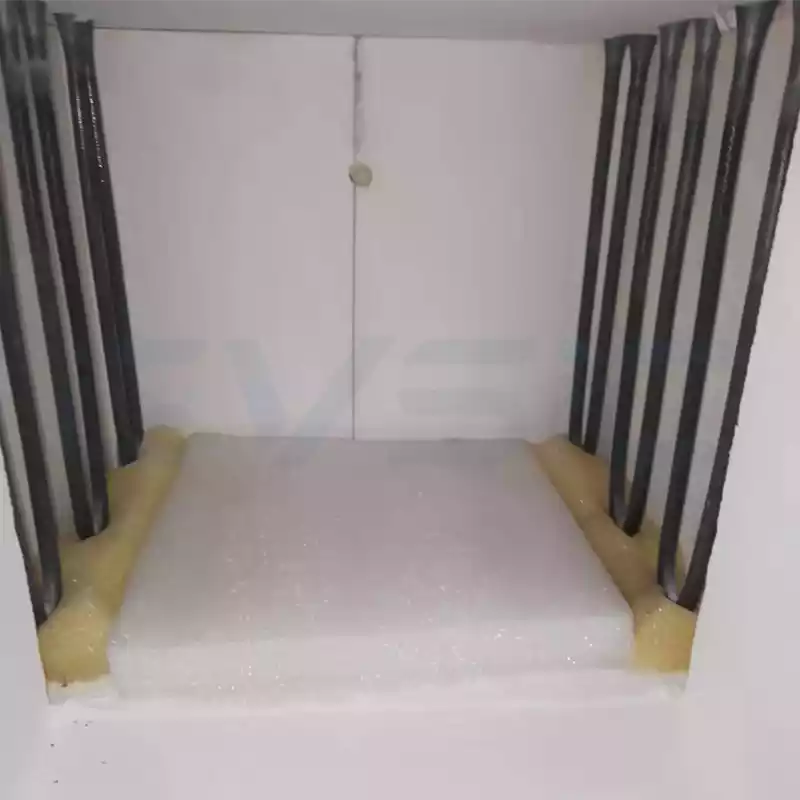
Signs of Uneven Heating and Slow Temperature Rise In lab or industrial settings, muffle furnace users often face these telltale…
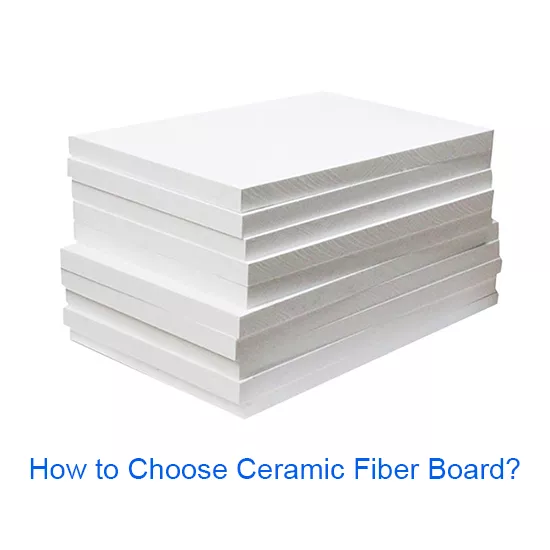
For many procurement engineers, “How to pick a ceramic fiber board?” seems like a straightforward question, but when it hits…
Routine maintenance and cleaning are vital for ensuring the longevity of your muffle furnace and the success of your experiments.…
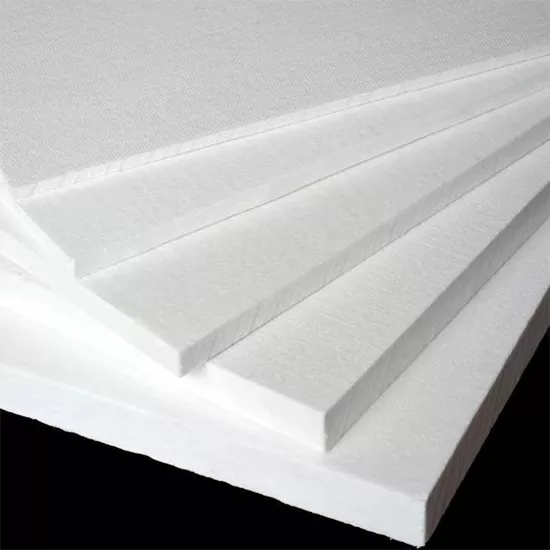
Ceramic fiber materials aren’t “new materials” anymore; they’ve become the go-to lightweight refractory materials in industries like metallurgy, heat treatment,…
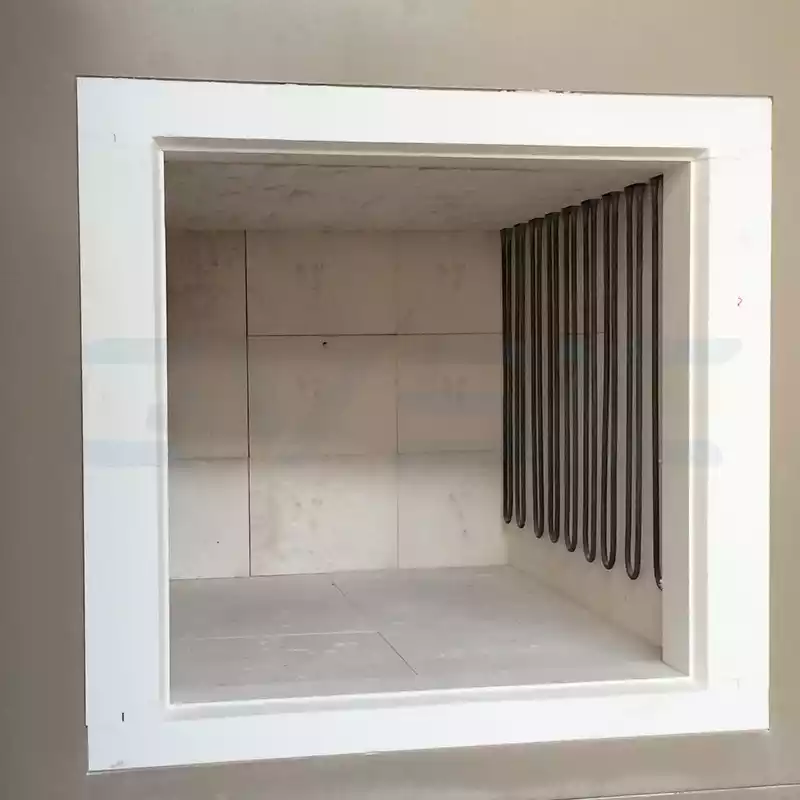
Heating elements power the heart of any muffle furnace, much like an engine drives a vehicle—dictating efficiency and longevity. From…
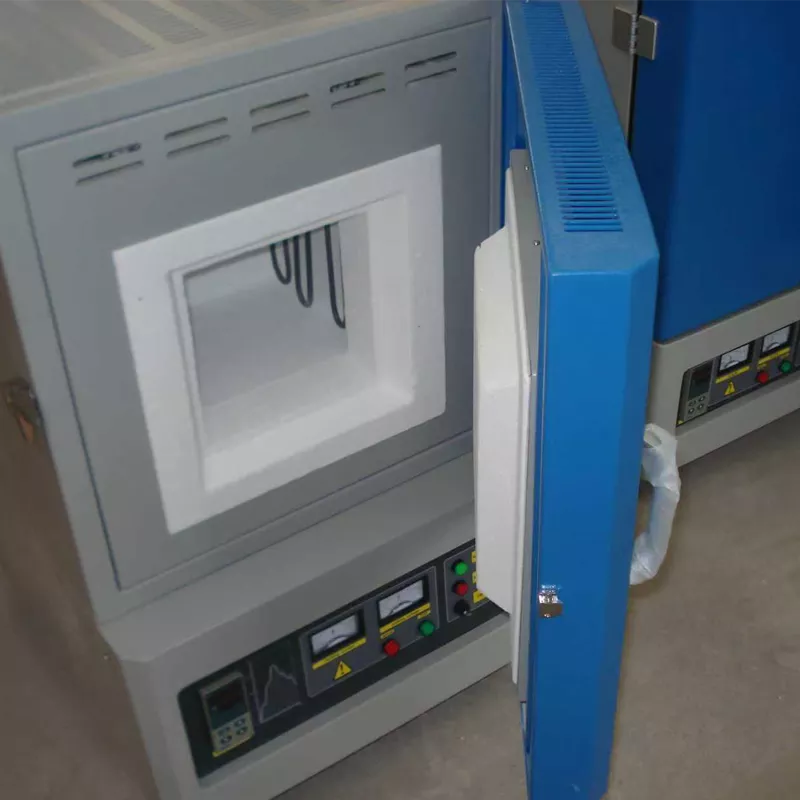
In research labs and production lines, muffle furnace temperature uniformity is non-negotiable. From ceramic sintering and metal heat treatment to…
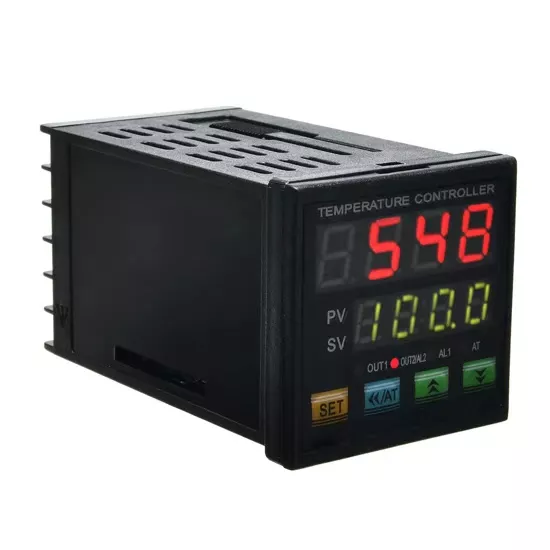
PID stands for Proportional-Integral-Derivative control—a proven, precise thermal management algorithm. In muffle furnaces, PID controllers continuously adjust heating power to…
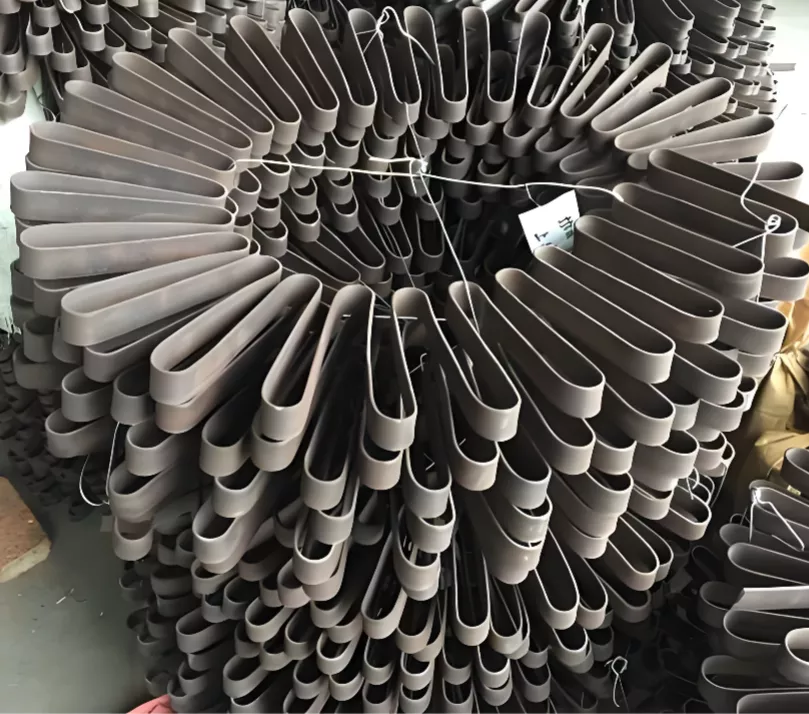
Selecting a muffle furnace primarily depends on the heating element, which influences maximum temperature, longevity, efficiency, and outcomes. Common heating…