

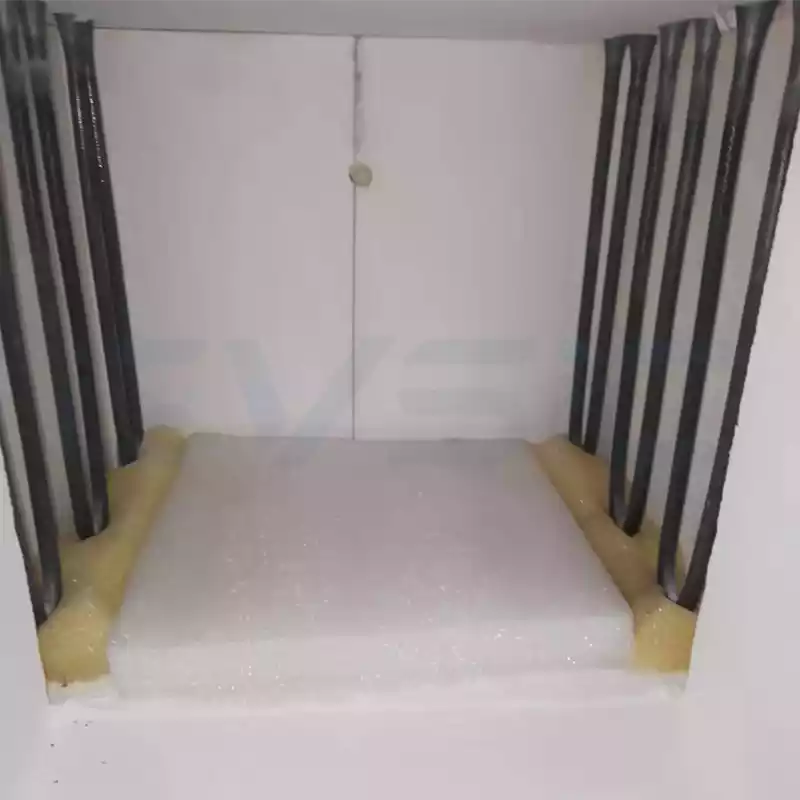
Slower Heating in Muffle Furnaces: Causes and Solutions
Signs of Uneven Heating and Slow Temperature Rise In lab or industrial settings, muffle furnace users often face these telltale…
Signs of Uneven Heating and Slow Temperature Rise In lab or industrial settings, muffle furnace users often face these telltale…
Routine maintenance and cleaning are vital for ensuring the longevity of your muffle furnace and the success of your experiments.…
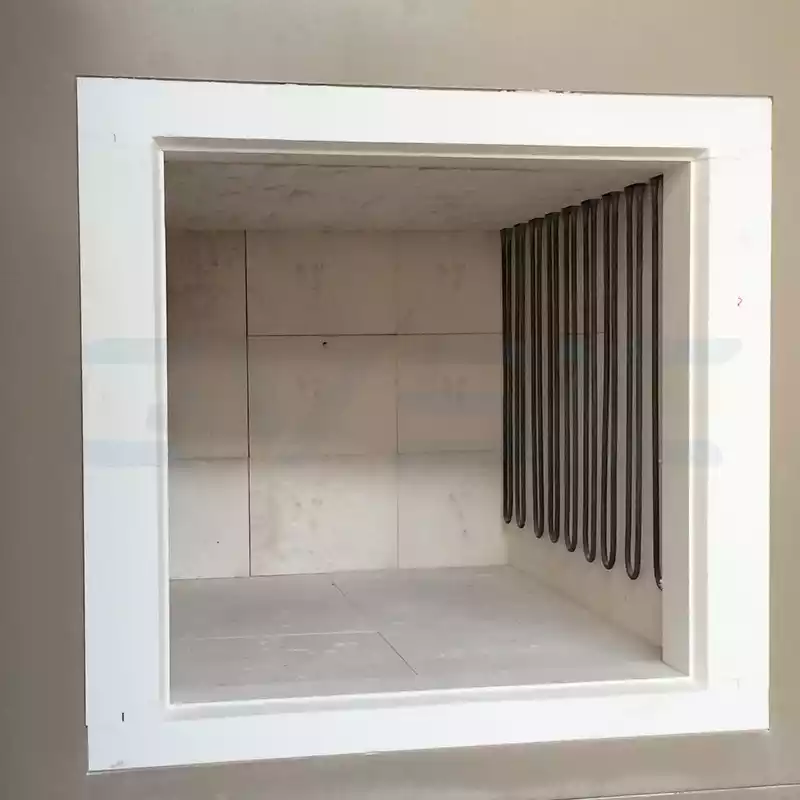
Heating elements power the heart of any muffle furnace, much like an engine drives a vehicle—dictating efficiency and longevity. From…
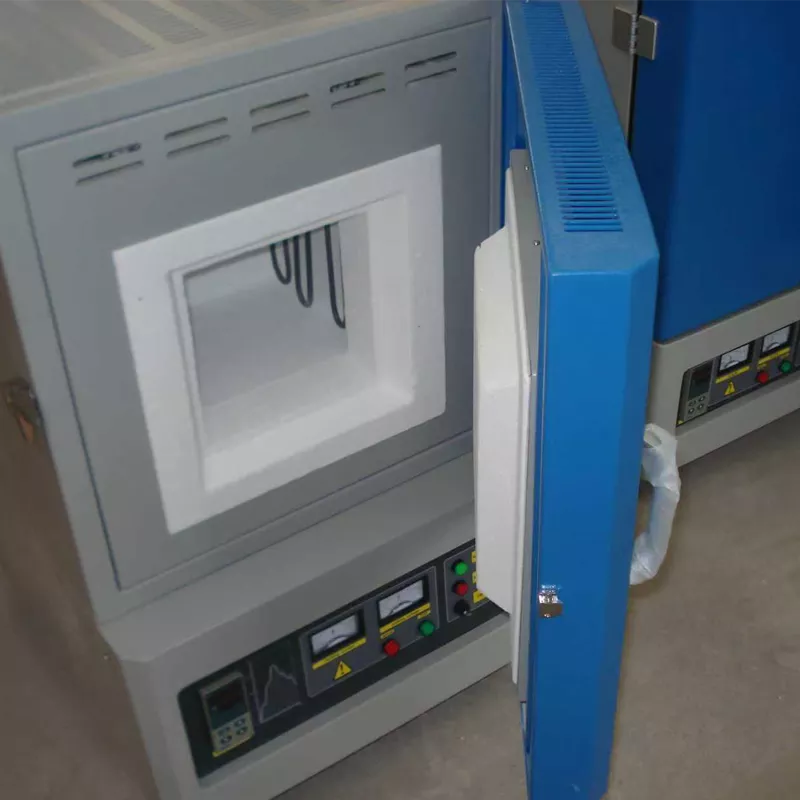
In research labs and production lines, muffle furnace temperature uniformity is non-negotiable. From ceramic sintering and metal heat treatment to…
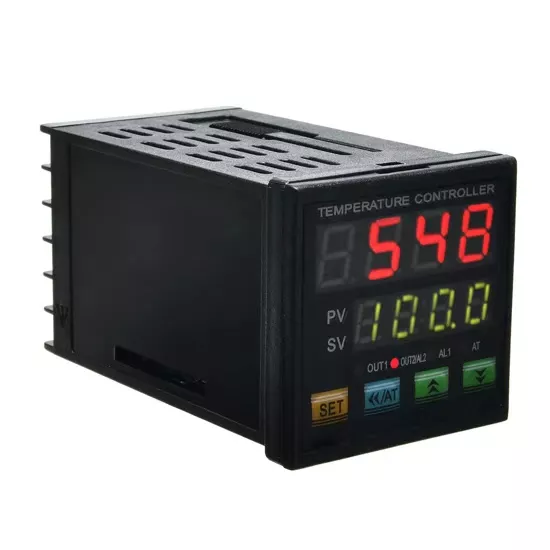
PID stands for Proportional-Integral-Derivative control—a proven, precise thermal management algorithm. In muffle furnaces, PID controllers continuously adjust heating power to…
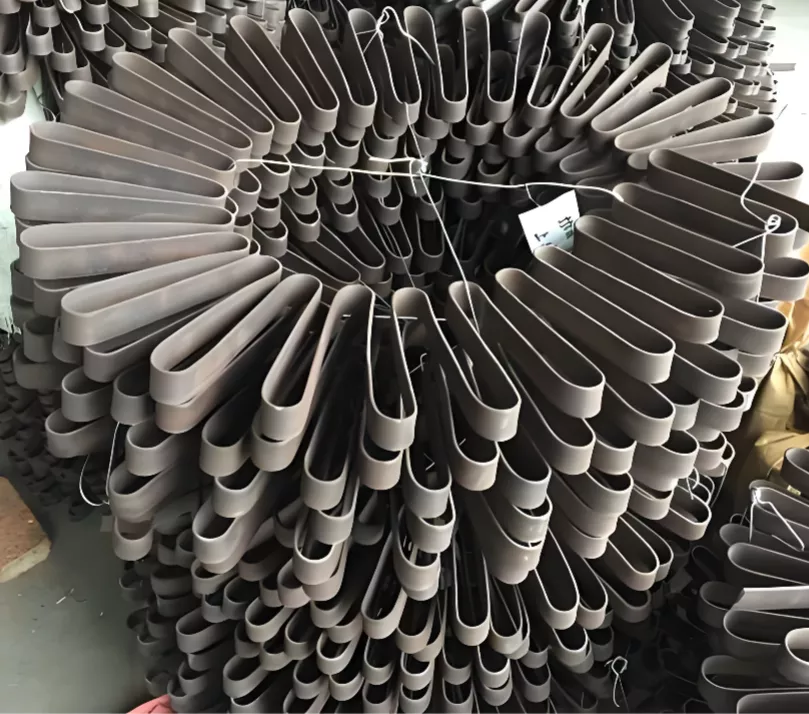
Selecting a muffle furnace primarily depends on the heating element, which influences maximum temperature, longevity, efficiency, and outcomes. Common heating…
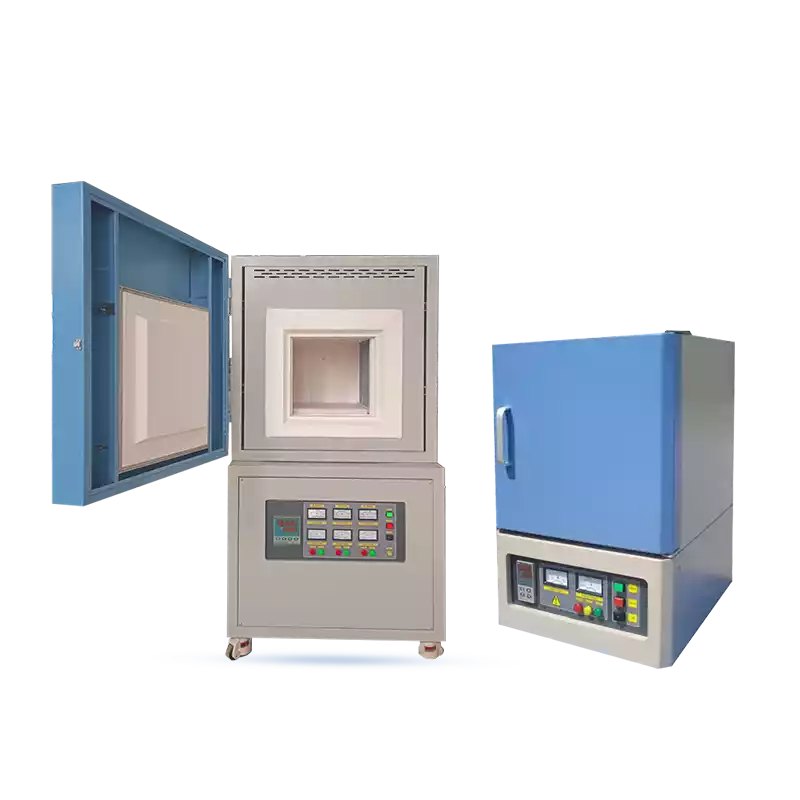
In materials research and high-temperature testing, a 1800°C muffle furnace embodies peak heating performance. Beyond 1700°C, many standard materials reach…

In high-temperature materials testing or industrial heat treatment, CVSIC engineers often field this question:”Should I go with a 1400°C muffle…
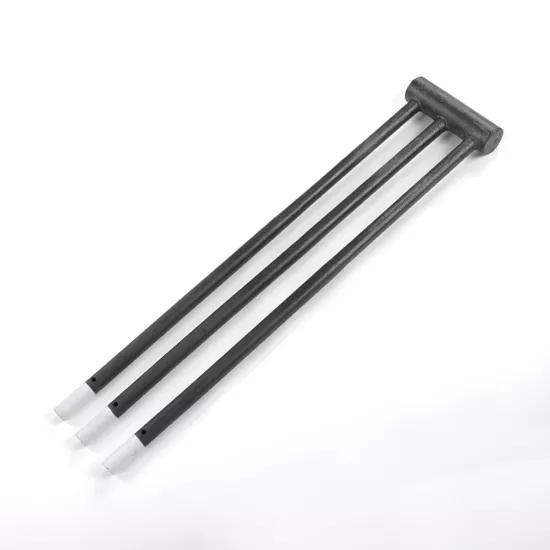
In high-temperature engineering, heating elements are the “heart” of furnace and kiln systems—their durability impacts uptime, energy efficiency, and operating…
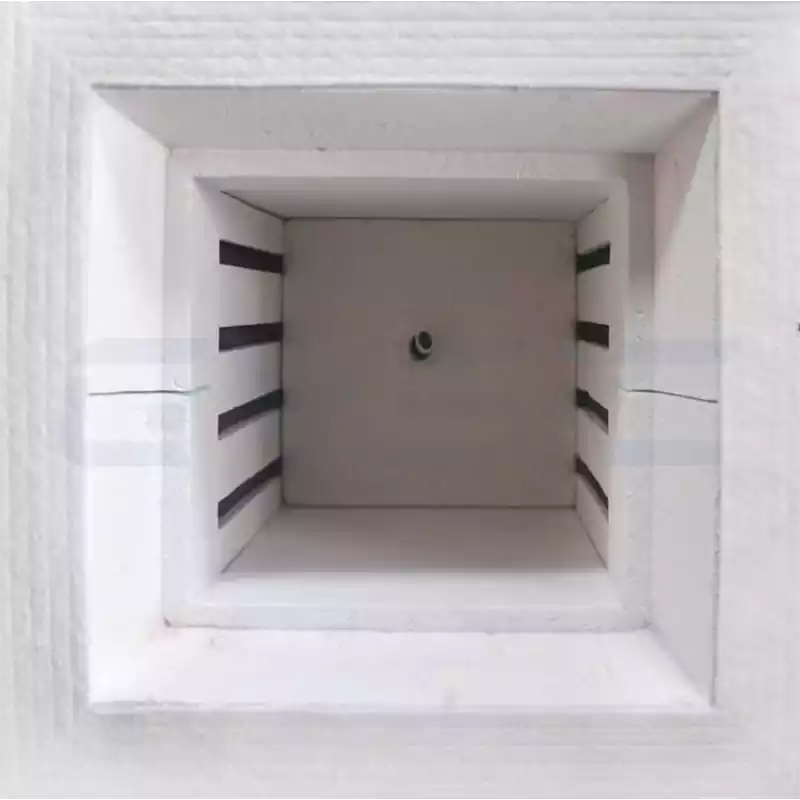
The 1100°C muffle furnace is an essential tool for laboratories and the light industry, excelling at material pretreatment, ash determination,…
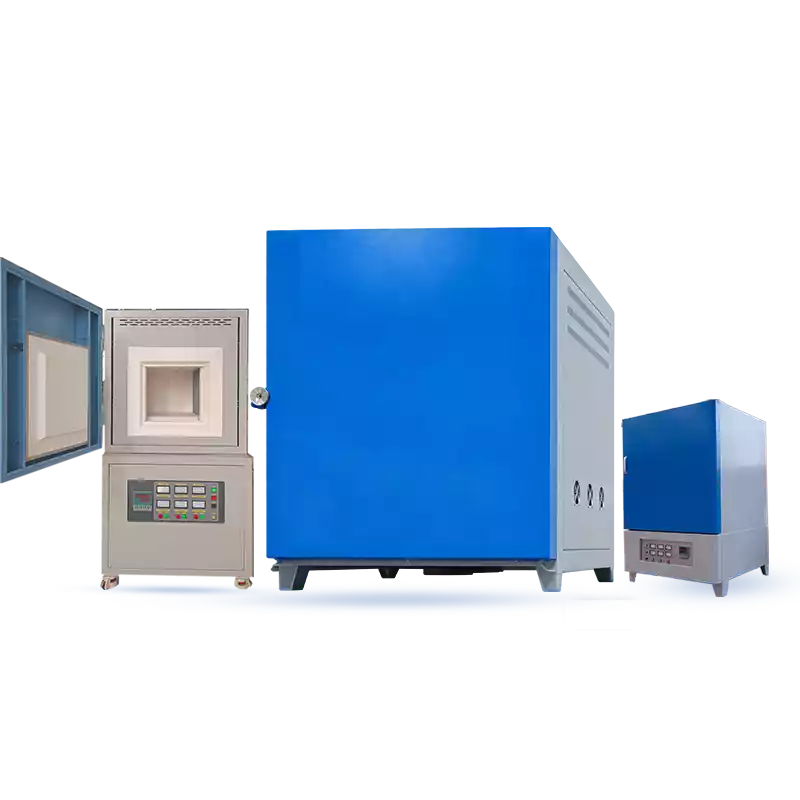
In modern experimentation and industrial production, the muffle furnace stands as one of the most essential high-temperature devices. Whether for…