
Signs of Uneven Heating and Slow Temperature Rise
In lab or industrial settings, muffle furnace users often face these telltale issues:
- The set temperature fails to reach the target value.
- Significant temperature gradients appear across furnace zones (e.g., top-to-bottom or front-to-back variations).
- Heating rates slow noticeably compared to a new unit.
- Samples exhibit uneven sintering, or analytical results show increased errors.
These symptoms typically indicate a disrupted internal thermal field or control system drift.
Today, CVSIC shares proven causes and fixes for uneven muffle furnace heating, empowering you to diagnose and resolve issues swiftly for reliable performance.
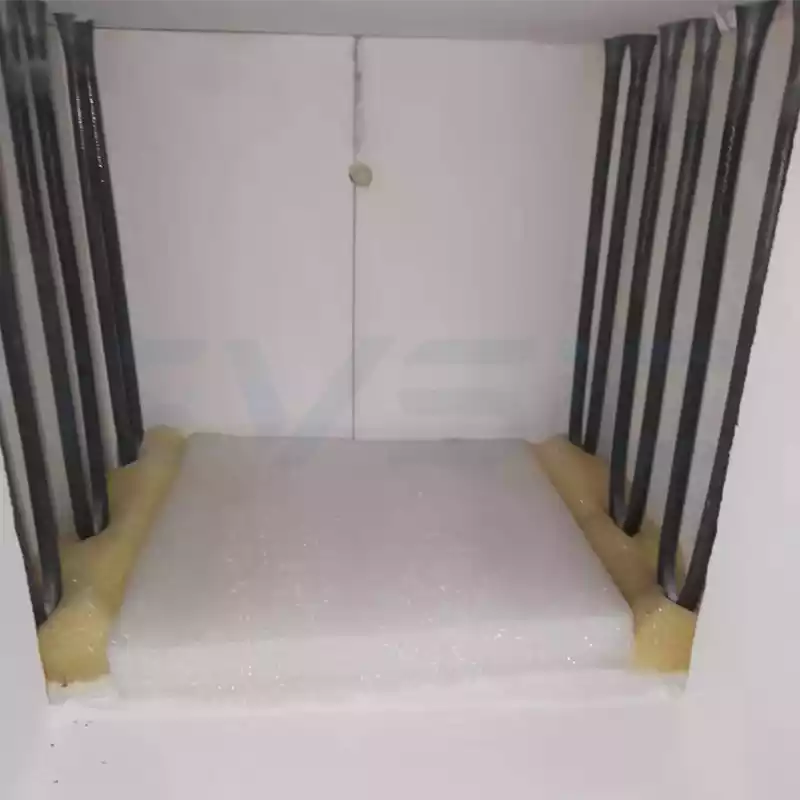
Common Causes and Solutions for Uneven Heating in Muffle Furnaces
Uneven heating occurs when the temperature distribution in the furnace chamber varies significantly, often as a hot center with cooler edges or isolated hot spots. This can compromise sample integrity, such as leading to inconsistent ceramic sintering. Below, we outline key causes and practical remedies.
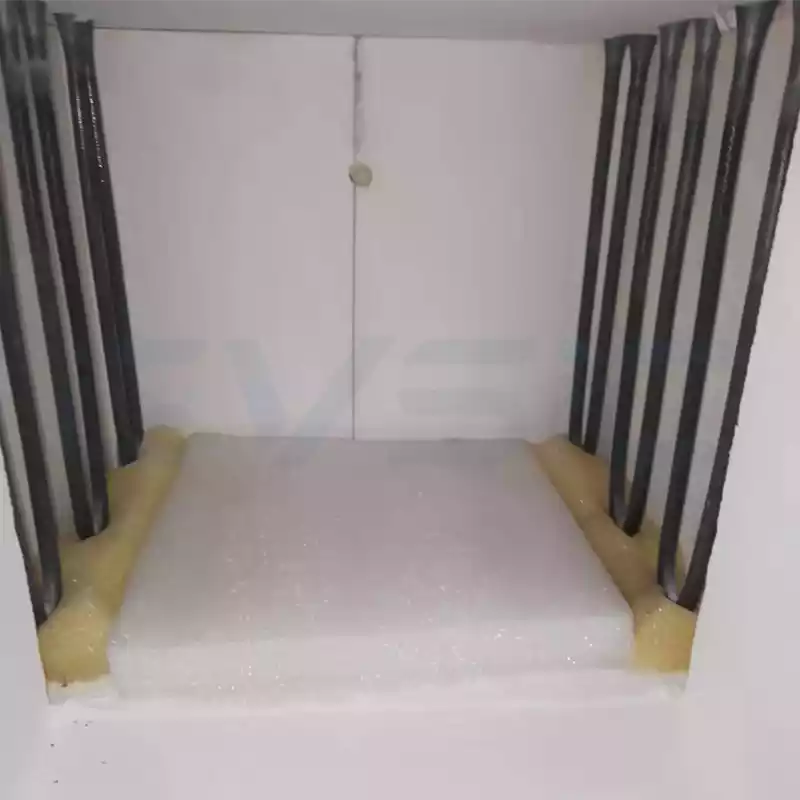
Uneven Distribution or Aging of Heating Elements
- Resistance Wire Furnaces(<1200℃): Prolonged high-temperature exposure causes oxidation, increasing resistance and reducing heat output.
- SiC Elements (1400℃): Over extended cycles, resistance spikes rapidly, resulting in cooler temperatures in affected elements.
- MoSi2 Elements (1600-1800℃): Brittle fractures or end-cap oxidation disrupt localized heating.
- Overall, improper installation or localized aging leads to inconsistent heat radiation.
Solutions:
- Use a multimeter to verify resistance consistency across heating zones.
- Replace any element if resistance exceeds the initial value by more than 20%.
- Perform monthly cleaning to remove surface dust and oxide buildup.
- Limit ramp rates to under 10°C/min to prevent thermal stress and extend element life.
How to determine muffle furnace heating elements need replacement?
Aging or Damage to Furnace Chamber Insulation
- Insulation bricks or ceramic fiber boards can pulverize or crack after prolonged heat exposure, allowing heat to escape.
- Loose furnace door seals create gaps that foster “cold spots” by leaking heat.
Solutions:
- Inspect chamber walls and door seals for cracks, replacing them promptly as needed.
- Employ a thermal imaging camera to pinpoint leakage areas.
- For sustained operations, replace the insulation layer every 2–3 years to maintain efficiency.
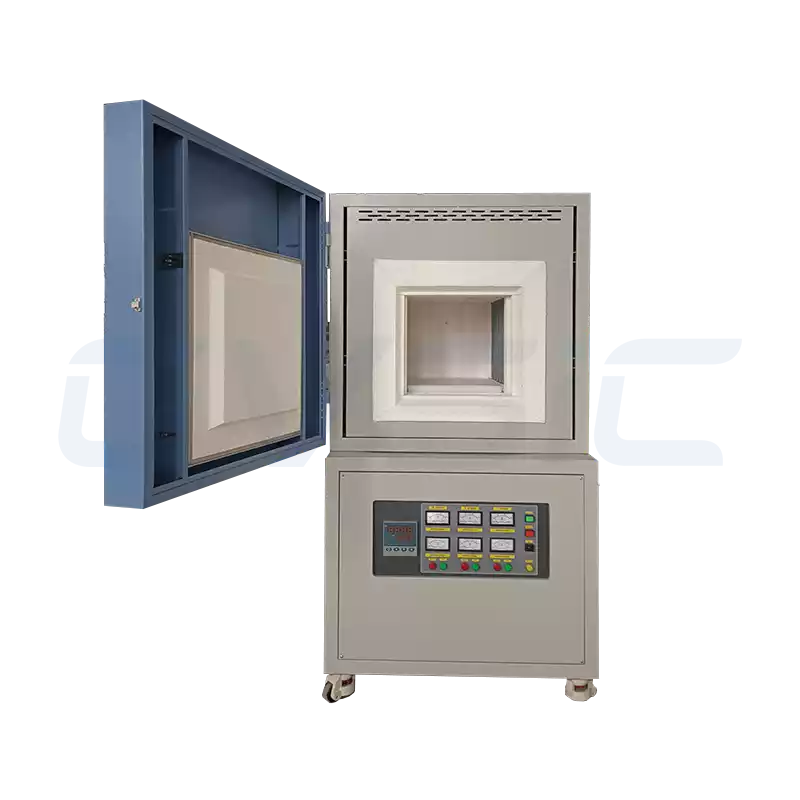
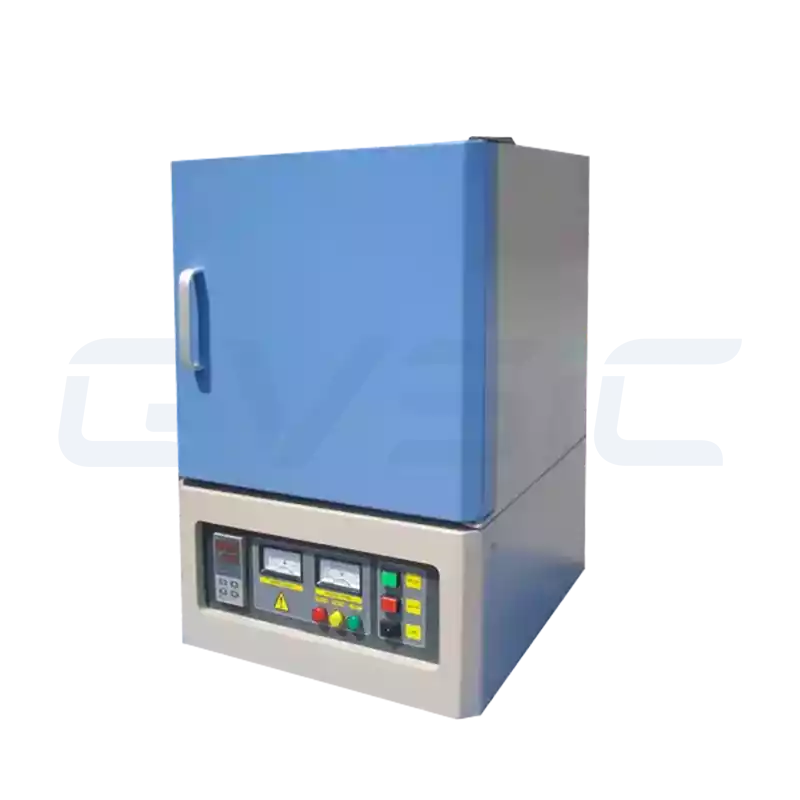
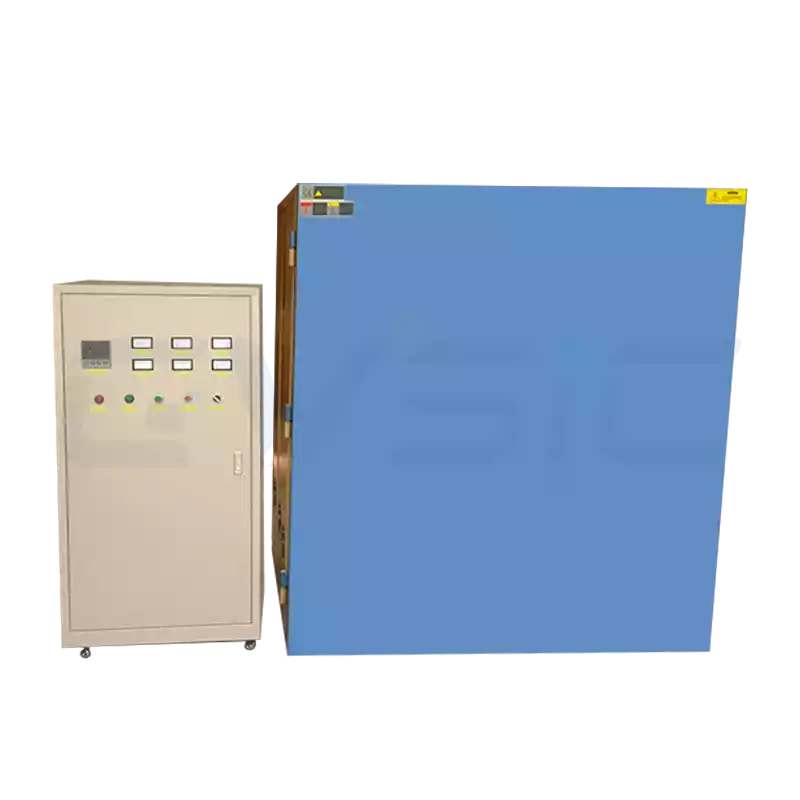
Aging or Misalignment of Thermocouples (Temperature Sensors)
- Oxidation or incorrect positioning prevents the PID controller from accurately detecting actual temperatures, triggering over- or under-compensation.
- This often shows as regular display readings despite actual furnace temperatures running low.
Solutions:
- Confirm thermocouple insertion depth aligns with manufacturer guidelines (typically one-third into the chamber’s midpoint).
- Calibrate against a standard thermometer for accuracy.
- Replace or recalibrate every 1,000 operating hours to ensure precise control.
Inappropriate PID Control Parameters or Module Failures
- Suboptimal PID settings (P, I, D values) can cause overshoot-undershoot cycles or delayed heating responses.
- Degraded temperature control modules or faulty current relays further impair heating stability.
Solutions:
- Run an auto-tuning process to reset PID parameters.
- Inspect control board relays and power connections for looseness.
- For industrial muffle furnaces, consider upgrading to a modular PLC control system for enhanced reliability.
Insufficient Power Voltage or Poor Electrical Contacts
- Supply voltage drops below rated levels (e.g., from 380V to 360V), directly cutting power delivery.
- Aged, oxidized, or loose power lines introduce current fluctuations.
Solutions:
- Measure input voltage and confirm it stays within ±5% of the rated value.
- Tighten terminal screws on power connections to secure contacts.
- Install a voltage stabilizer or dedicated circuit protector if fluctuations persist.
Improper Sample Loading or Restricted Airflow
- Overpacked samples or trays blocking circulation create uneven heat dispersal.
- Limited convection delays local heating, slowing overall ramp-up.
Solutions:
- Maintain at least 2–3 cm clearance between samples and furnace walls for even airflow.
- Opt for high-temperature-resistant trays instead of placing items directly on the floor.
- For high-volume heating, switch to multi-zone furnace designs to optimize uniformity.
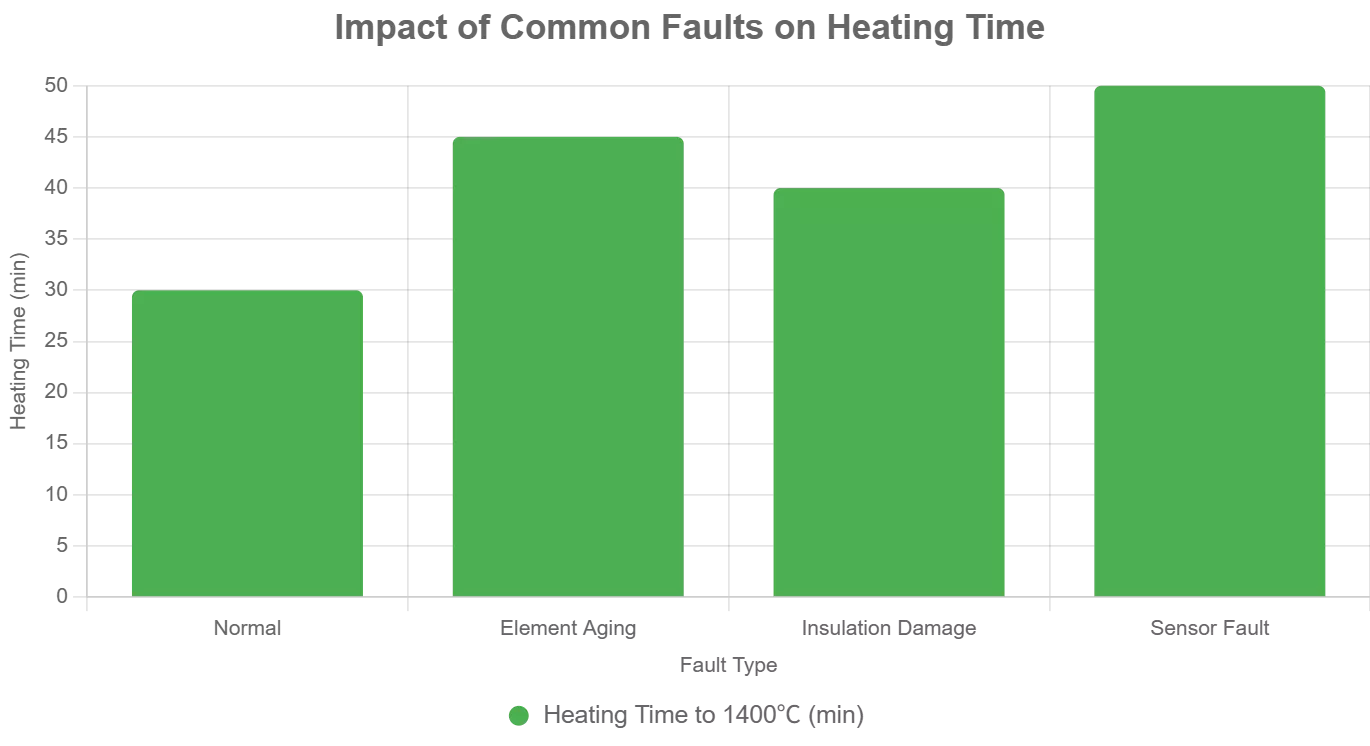
Impact of Common Faults on Heating Time
The diagram below illustrates how typical faults affect ramp-up times (based on CVSIC data):
Comprehensive Diagnostics and Maintenance Recommendations
| Issue Observed | Possible Causes | Quick Diagnostic Methods |
| Slow Heating | Increased Resistance, Insufficient Voltage | Measure Current and Resistance Variations |
| Uneven Temperature | Component Aging, Insulation Damage | Thermal Imaging of Heat Field |
| Temperature Fluctuations | Thermocouple or PID Malfunction | Compare Actual vs. Displayed Temperatures |
| Localized Overheating | Sample Obstruction, Poor Airflow | Adjust Loading and Ventilation Paths |
Recommendations from CVSIC Engineers
- Inspect heavily used lab furnaces every three months for top performance.
- Use only OEM-certified heating elements and thermocouples to avoid issues and increase equipment life.
- If the heating rate falls by 15% or more, check the power output immediately to prevent downtime.
Conclusion
Muffle furnace efficiency depends on maintenance, not just design.
Commit to a regular maintenance schedule with CVSIC or consult our engineering team for customized service plans. This ensures reliable performance and upholds CVSIC’s engineering standards for a seamless user experience.
You may need to know: