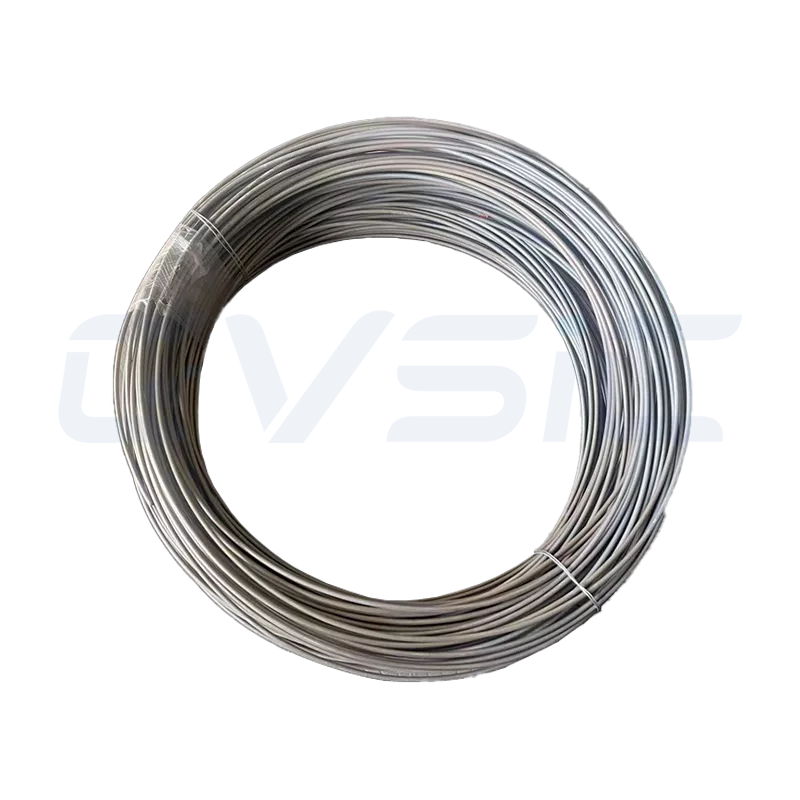
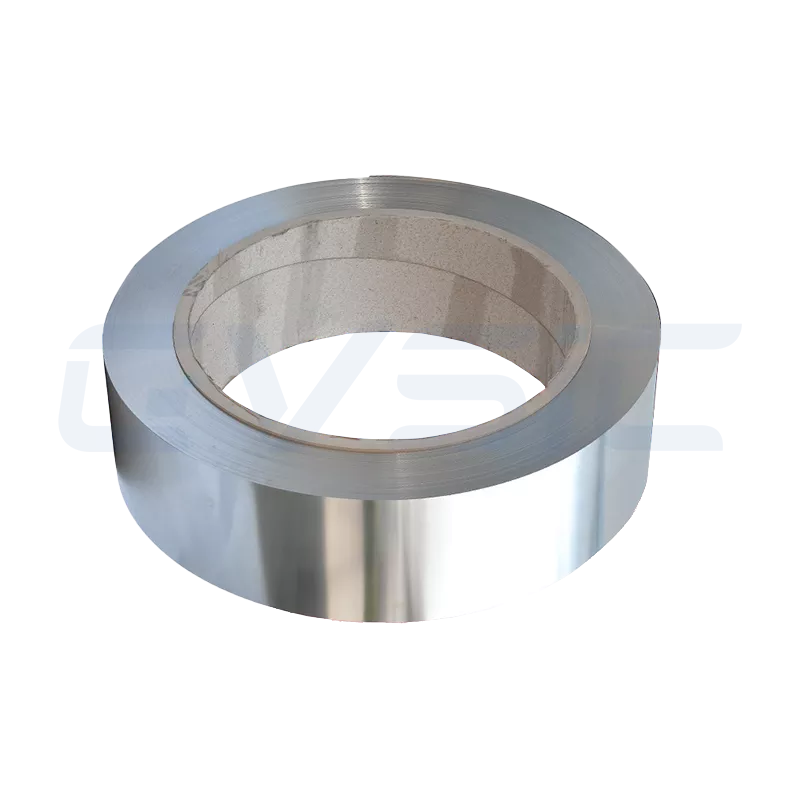
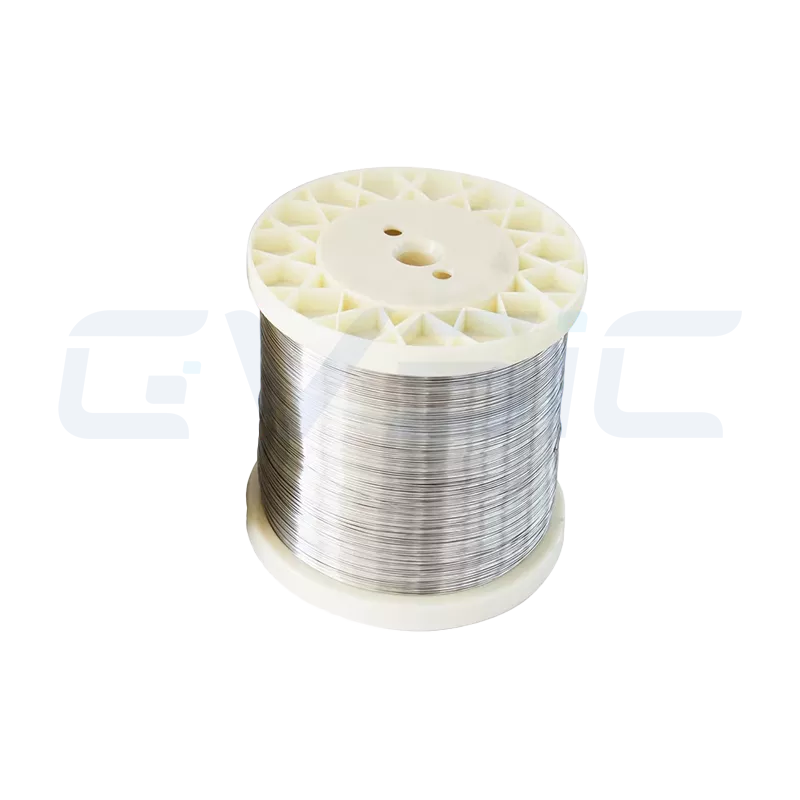
0Cr21Al6 Resistance Wire
0Cr21Al6 Alloy Wire
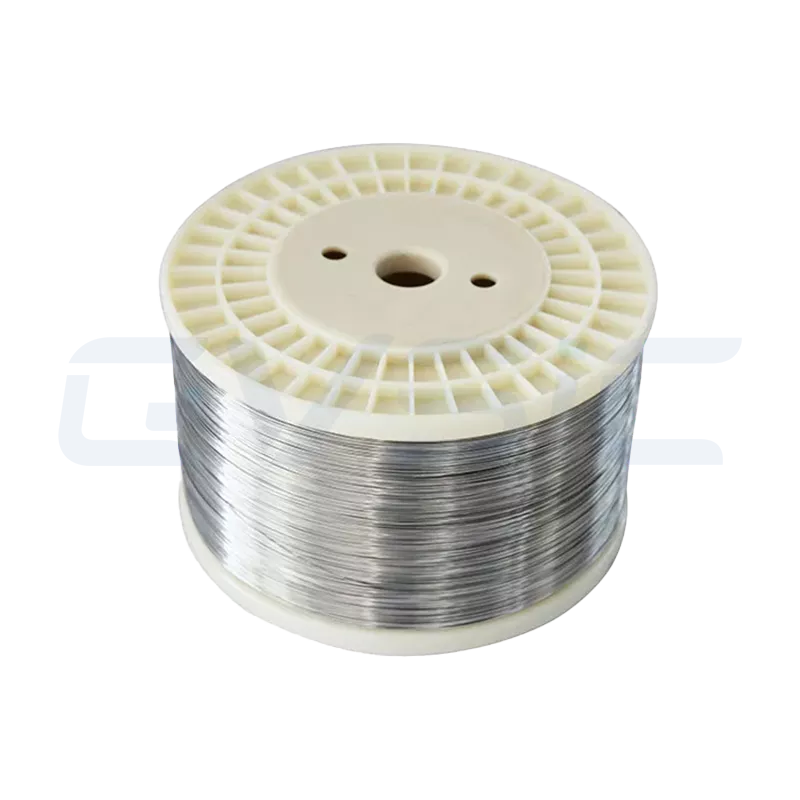
0Cr21Al6 is a solid FeCrAl high-temp resistance alloy with steady resistivity and great oxidation resistance—perfect for industrial electric heating in air up to around 1300°C.
- Model: CV-0Cr21Al6
- Alloy Grade: 0Cr21Al6 (FeCrAl 216)
- Main Composition: Fe: Bal.; Cr: 20–22; Al: 5.0–7.0; Mo: ≤0.5
- Max Temp: 1250–1300°C
- Resistivity (20°C): 1.35 μΩ·m
- Density: 7.1 g/cm³
- Diameters: 0.1–7.0 mm
- Best Atmosphere: Air / Mildly oxidizing
0Cr21Al6 is an iron-chrome-aluminum (Fe-Cr-Al) based FeCrAl high-temperature resistance alloy that’s super common in industrial electric heating setups.
Thanks to steady resistance, killer oxidation resistance, and reliable performance at high heat, it’s a go-to material for 1300°C-level industrial heating jobs.
Key Features of 0Cr21Al6 High-Aluminum FeCrAl Alloy
By bumping up the aluminum to around 6%, 0Cr21Al6 gets way better at fighting oxidation in hot air.
- Aluminum ≈6% means a tighter, stickier oxide layer—perfect for furnaces running in plain air (not vacuum or shielded gas).
- Higher resistivity (about 1.45 μΩ·m) packs more power into the same length—great for compact designs.
- Best for steady runs at 1200–1250°C; can hit 1300°C short-term, but don’t push it every day.
- Downside: Trickier to work cold—can crack when coiling, so it usually needs annealing.
The big win with 0Cr21Al6 is rock-solid oxidation resistance in high-temp air.
Composition & Basic Specs
| Item | Parameter |
|---|---|
| Alloy Grade | 0Cr21Al6 (FeCrAl 216) |
| Main Chemical Composition (%) | Fe: Bal.; Cr: 20–22; Al: 5.0–7.0; Mo: ≤0.5 |
| Max Continuous Temp | 1250–1300°C |
| Resistivity (20°C) | 1.35 μΩ·m |
| Density | 7.1 g/cm³ |
| Thermal Conductivity | 16 KJ/m·h·°C |
| Expansion Coefficient | 14 ×10⁻⁶/°C |
| Melting Range | 1500–1520°C |
| Tensile Strength | ≥650 MPa (wire) |
| Elongation | ≥15% |
| Microstructure | Ferritic |
| Magnetic | Yes |
| Key Features | Top-notch oxidation resistance, perfect for high-temp furnaces, long-lasting, and budget-friendly |
| Common Uses | Heating tubes, ovens, space heaters, humidifiers, dryers |
How It Handles High Temps & Oxidation
In hot air, the aluminum on the surface reacts with oxygen to build a dense, solid Al₂O₃ protective layer.
This layer:
- Keeps extra oxygen from sneaking in deeper
- Slows down ongoing oxidation
- Boosts stability at high heat
- Makes heating elements last way longer
That’s why 0Cr21Al6 shines in electric heating that stays exposed to air long-term.
Temp Ratings & Use Range
| Spec | Details |
|---|---|
| Recommended Long-Term Temp | ≤ 1300°C |
| Short-Term Max | Up to 1350°C (depends on wire size and load) |
| Heating Style | Resistive |
| Heat Stability | Holds structure well at high temps |
With smart power loading and design, 0Cr21Al6 gives steady, predictable performance at high heat.
Where It Gets Used
You’ll find 0Cr21Al6 in all sorts of industrial and lab spots:
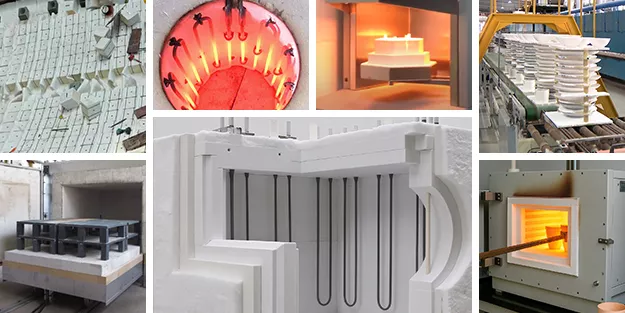
- Heating wires in industrial resistance furnaces
- Box furnaces and lab furnaces
- High-temp air heaters
- Ceramic, glass, and heat treatment gear
- Research and lab heating systems
Usage Tips & Limits
Long-term continuous temp ≤ 1250–1300°C
- Go over that too often and the oxide layer grows way faster
- Long runs past the limit thin out the wire and shift resistance more
Skip strongly reducing or sulfur-heavy air
- Stuff like H₂, CO, or sulfides wreck the protective alumina
- Life drops big time in those setups
Wire size sets your temp ceiling
- Thin wires (≤0.5 mm) overheat easier at high loads
- Always calc max surface load (W/cm²) from the diameter
Don’t stress it mechanically when hot
- It gets less ductile at temp
- Avoid tension or vibes during operation
Its reliability and flexibility make it a solid pick for mid-to-high temp industrial heating.
Practical Engineering Perks
- Steady resistance makes power math easy
- Oxidation resistance fits air environments perfect
- Works with all kinds of element shapes
- Decent to form and coil
- Not for heavy reducing or sulfur air
Design & Selection Tips
When building with 0Cr21Al6, zero in on:
- Matching diameter to surface load
- Picking a safe long-term temp
- Good supports with room for expansion
- Making sure the air is oxidizing enough
Nail the structure and power, and you’ll get the most out of this alloy.
Supply Options & Custom Work
We offer:
- Bunch of wire diameters
- Custom lengths and resistance
- Big industrial batches
- Tech specs and selection help
Great for equipment makers, furnace builders, and system integrators.
0Cr21Al6 is a solid FeCrAl high-temp resistance alloy with steady resistivity and great oxidation resistance—perfect for industrial electric heating in air up to around 1300°C.
FAQs | Common Questions
What atmospheres work best?
Mainly plain air or mildly oxidizing—not good for strong reducing or sulfur stuff.
Recommended temp?
Keep long-term under 1300°C; short bursts can go higher depending on your setup.
Custom diameters and resistance?
Yeah, we can tailor to your voltage, power, and design needs.
Good for non-stop running?
Totally—handles continuous high heat when designed right.
Looking for Reliable High Temperature Heating Solutions?
Contact CVSIC today for a one-stop solution for deheating! With over fifteen years of R&D and manufacturing experience, we have absolute confidence in our products! Feel free to contact us for free samples for trial!
Products Related To 0Cr21Al6 Resistance Wire
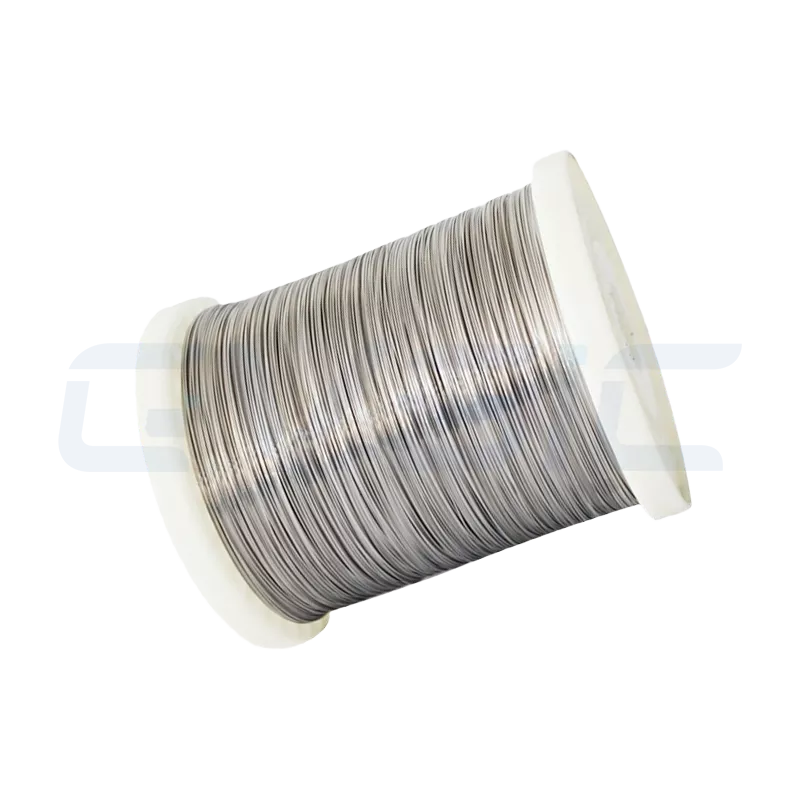
CuNi44 Alloy Wire
- Model: CV-CuNi44
- Alloy Grade: CuNi44 (NC050)
- Main Composition: Ni ≈44, Mn: 1%, Cu Bal.
- Max Temp: 500°C
- Resistivity (20°C): 0.50 μΩ·m ±5%
- Density: 8.9 g/cm³
- Forms Available: Wire, strip, ultra-thin foil
- Common Uses: Precision resistors, strain gauges, bridges, instrument standards
CuNi34 Alloy Wire
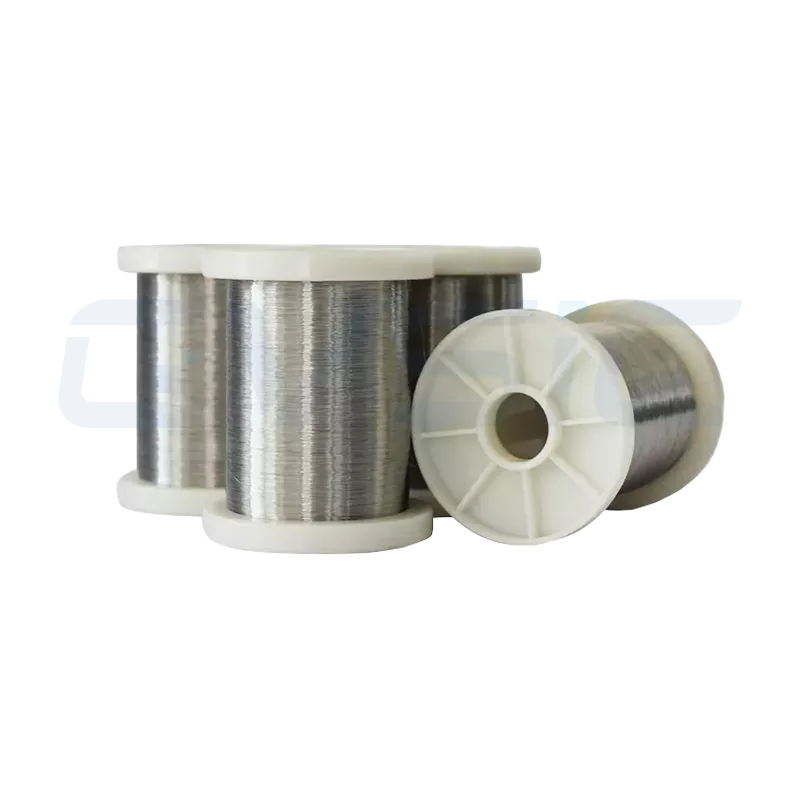
- Model: CV-CuNi34
- Alloy Grade: CuNi34 (NC040)
- Main Composition: Ni ≈34, Mn: 1%, Cu Bal.
- Max Temp: 500°C
- Resistivity (20°C): 0.40 μΩ·m ±5%
- Density: 8.9 g/cm³
- Forms Available: Wire, strip, ultra-thin foil
- Common Uses: Standard resistors, precision measure, lab instruments
CuNi30 Alloy
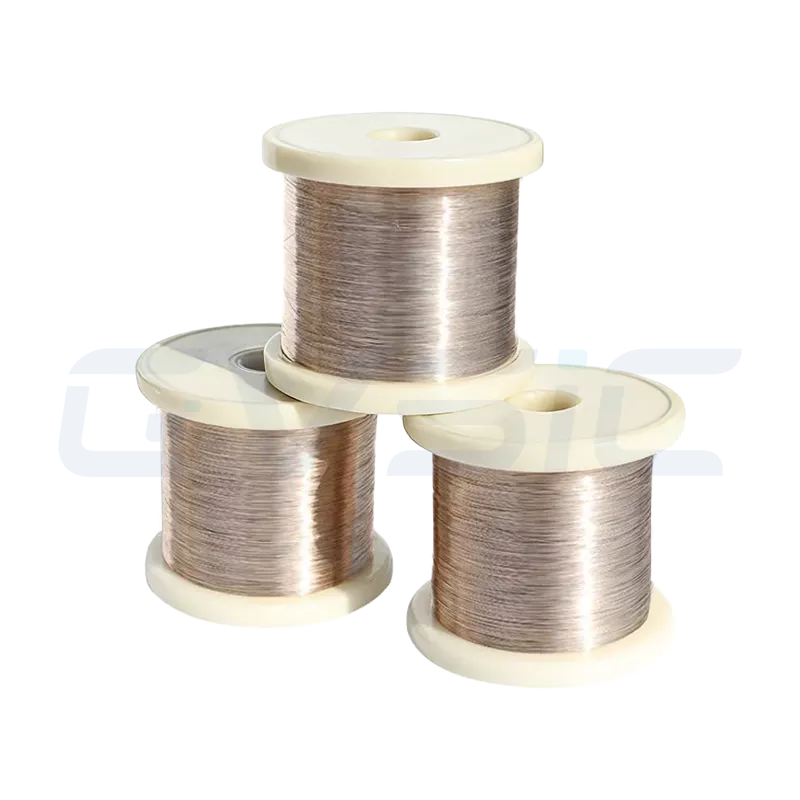
- Model: CV-CuNi30
- Alloy Grade: CuNi30 (NC035)
- Main Composition: Ni ≈30, Mn: 1%, Cu Bal.
- Max Temp: 500°C
- Resistivity (20°C): 0.35 μΩ·m ±5%
- Density: 8.9 g/cm³
- Forms Available: Wire, strip, foil
- Common Uses: Precision resistors, measuring gear, industrial controls
CuNi23 Alloy
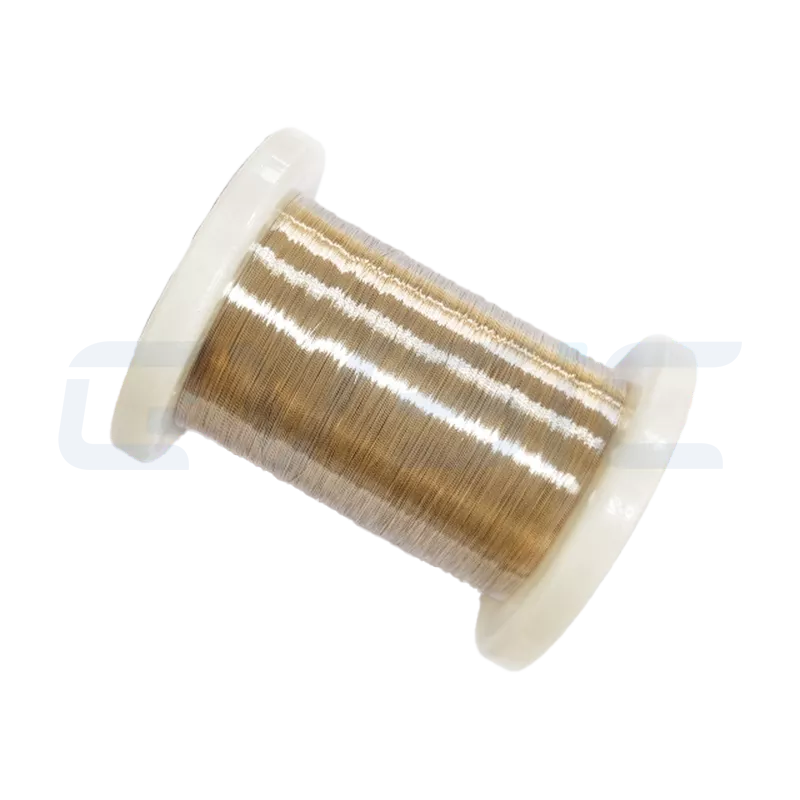
- Model: CV-CuNi23
- Alloy Grade: CuNi23 (NC030)
- Main Composition: Ni ≈23, Mn: 0.5%, Cu Bal.
- Max Temp: 450°C
- Resistivity (20°C): 0.30 μΩ·m ±5%
- Density: 8.9 g/cm³
- Forms Available: Fine wire, strip, bundled; Custom coils
- Common Uses: Precision resistors, measuring gear, industrial controls
CuNi19 Alloy Wire
- Model: CV-CuNi19
- Alloy Grade: CuNi19 (NC025)
- Main Composition: Ni ≈19, Mn: 0.5%, Cu Bal.
- Max Temp: 400°C
- Resistivity (20°C): 0.25 μΩ·m ±5%
- Density: 8.9 g/cm³
- Forms Available: Wire, strip, foil
- Common Uses: Precision resistors, measuring gear, heating elements
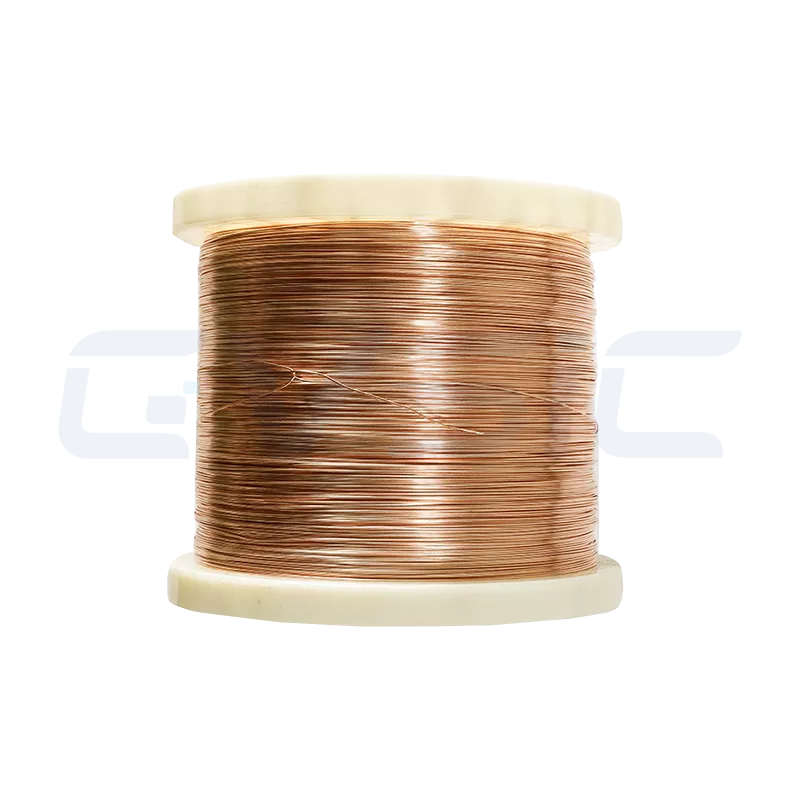
CuNi10 Alloy Wire
- Model: CV-CuNi10
- Alloy Grade: CuNi10 (NC015)
- Main Composition: Ni ≈10, Cu Bal.
- Max Temp: 350°C
- Resistivity (20°C): 0.15 μΩ·m ±10%
- Density: 8.9 g/cm³
- Forms Available: Wire, strip, flat; OEM coils
- Common Uses: Instrument resistors, heating strips, sensor parts
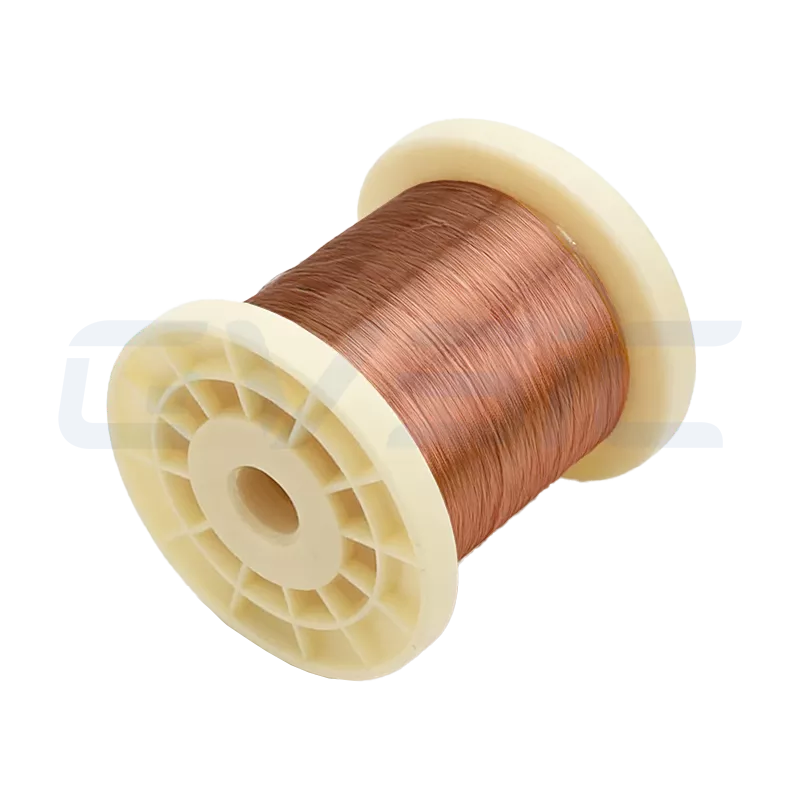
CuNi6 Alloy Wire
- Model: CV-CuNi6
- Alloy Grade: CuNi6 (NC010)
- Main Composition: Ni ≈6, Cu Bal.
- Max Temp: 350°C
- Resistivity (20°C): 0.10 μΩ·m
- Density: 8.9 g/cm³
- Forms Available: Wire, strip, foil; Hard/soft options
- Common Uses: Low-res parts, shunts, motor coils, electrical links
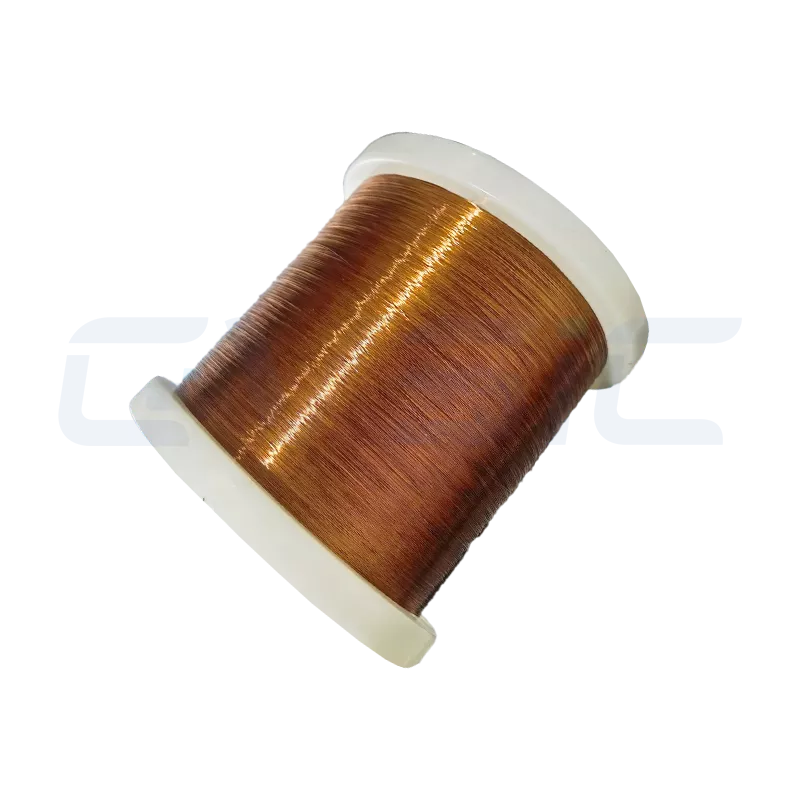
CuNi2
- Model: CV-CuNi2
- Alloy Grade: CuNi2 (NC005)
- Main Composition: Ni ≈2, Cu Bal
- Max Temp: 250°C
- Resistivity (20°C): 0.05 μΩ·m ±10%
- Density: 8.9 g/cm³
- Forms Available: Diameters 0.02–10mm; Strips 0.02–2mm; Custom wire/strip
- Best Atmosphere: Air / Mildly oxidizing
China One-Stop Customized Industrial Heating Solutions
Contact CVSIC today for exclusive heating solutions. Free samples and technical support!
CE, SGS, ISO Certificate
15+ Years Factory
Operating instructions
7*24 hours after-sales support