
From our earlier guides on FeCrAl fundamentals and the seven primary grades, you already understand:
- FeCrAl comes in multiple tailored variants
- Cr and Al levels define absolute performance limits
- Each grade has a deliberate engineering focus
This article delivers a clear, head-to-head FeCrAl grade Seven Major FeCrAl Alloy Grades Differences and Selection Logiccomparison — pinpointing which models best match specific duties — so you can select with confidence.
Quick-Reference FeCrAl Grades Comparison Table
Important note on “recommended long-term use temperature”: This reflects safe, predictable continuous operation under proper wire diameter, controlled surface loading (W/cm²), and stable atmosphere — not catalog maximums, short-burst limits, or marketing figures.
| Engineering Grade | Recommended Long-Term Temperature | Oxidation Resistance | Formability / Processing Difficulty | Relative Cost | Typical Applications & Best-Fit Duties |
|---|---|---|---|---|---|
| Low-Alloy FeCrAl | ≤1150°C | ★★☆☆☆ | ★☆☆☆☆ (Easy) | Low | Medium-temperature processes, cost-driven equipment |
| Standard / Workhorse FeCrAl | 1200–1250°C | ★★★☆☆ | ★★☆☆☆ | Medium | General-purpose industrial furnaces, muffle/box furnaces |
| Medium-High Al FeCrAl | 1250–1300°C | ★★★★☆ | ★★★☆☆ | Medium-High | Continuous high-temp duty in air/oxidizing atmospheres |
| High-Cr Stabilized FeCrAl | 1250–1300°C | ★★★★☆ | ★★★☆☆ | High | Extended-cycle operation, priority on reliability |
| High-Al Max-Temperature FeCrAl | 1300–1350°C | ★★★★★ | ★★★★☆ (Challenging) | High | Extreme-temperature designs with minimal cycling |
| Micro-Alloyed (Nb/Mo strengthened) | 1250–1350°C | ★★★★★ | ★★★★☆ | Higher | Demanding long-life, high-stability industrial applications |
| Custom-Optimized FeCrAl | Application-specific | Application-specific | Varies | Variable | Tailored solutions for unique or critical process conditions |
Correctly Interpreting the Comparison Dimensions
Most mis-selections stem not from insufficient data, but from misinterpreting what each column truly means in practice.
Recommended Long-Term Temperature
Engineering reality: The realistic continuous operating band where life is predictable, and failures are minimized — assuming good design practice (wire size, surface load, atmosphere control).
Key reminders
- Far below the melting point
- Not short-duration overload capability
- Definitely not advertised peak values
- The single most misunderstood parameter
Frequent cycling/start-stop? Treat listed temperatures as ~50–100°C, optimistic and derate accordingly.
Oxidation Resistance Rating
Measures the real driver of longevity:
- Speed and quality of Al₂O₃ scale formation
- Scale density and adherence
- Self-healing/regeneration at temperature
Interpretation:
- ★★☆☆☆ — Functional but highly condition-sensitive
- ★★★☆☆ — Broad, forgiving mainstream choice
- ★★★★☆ — Strong confidence in sustained high-temp exposure
- ★★★★★ — Oxidation is rarely the weak link
Processing / Formability Difficulty
Driven purely by alloy physics (especially Al content): higher Al → more demanding, more brittle → tighter tolerances needed for coiling, bending, and installation.
Real-world impact:
- Greater difficulty reduces the design/assembly margin
- High-Al grades suit experienced, high-precision production lines
- Avoid for quick retrofits or low-skill fabrication
Cost Considerations:
True lifecycle cost includes:
- Raw material price
- Scrap and forming losses
- Installation labor/time
- Expected service life
- Risk/cost of unplanned downtime
Field lesson: A wrong grade’s downtime expense usually dwarfs any upfront material savings.
Applicable Operating Conditions
Quick decision heuristics that matter most:
- Continuous duty >> frequent on/off → favor higher-Al grades
- New/untested equipment → stick to forgiving mid-range grades
- Pushing near 1300°C → select with margin, not “bare minimum.”
- Operating condition fit is the ultimate selector
Fast-Track Selection Pathway for Engineers
Narrow it down quickly:
- Design target ≤1200°C → 1cr20al3 Wire
- 1200–1300°C with continuous duty → 0Cr21Al6 Resistance Wire or 0Cr25Al5 Resistance Wire
- ≥1300°C, minimal cycling, proven design → 0Cr21Al6Nb Resistance Wire Kanthal A1 Alternative or 0Cr27Al7Mo2 Wire Kanthal APM Alternative
- Unusual constraints or ultra-long life targets → Custom FeCrAl
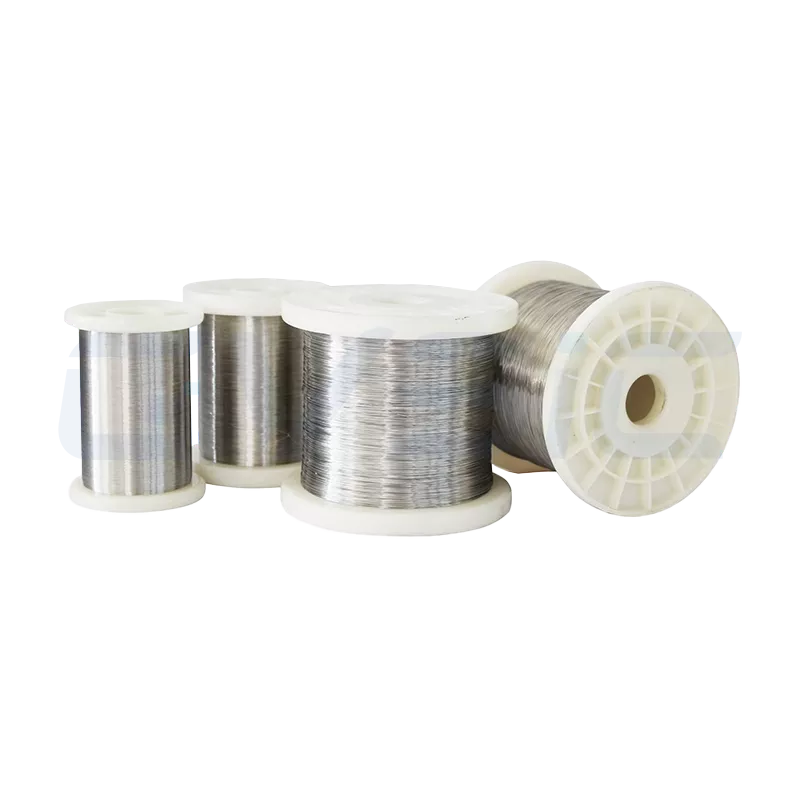
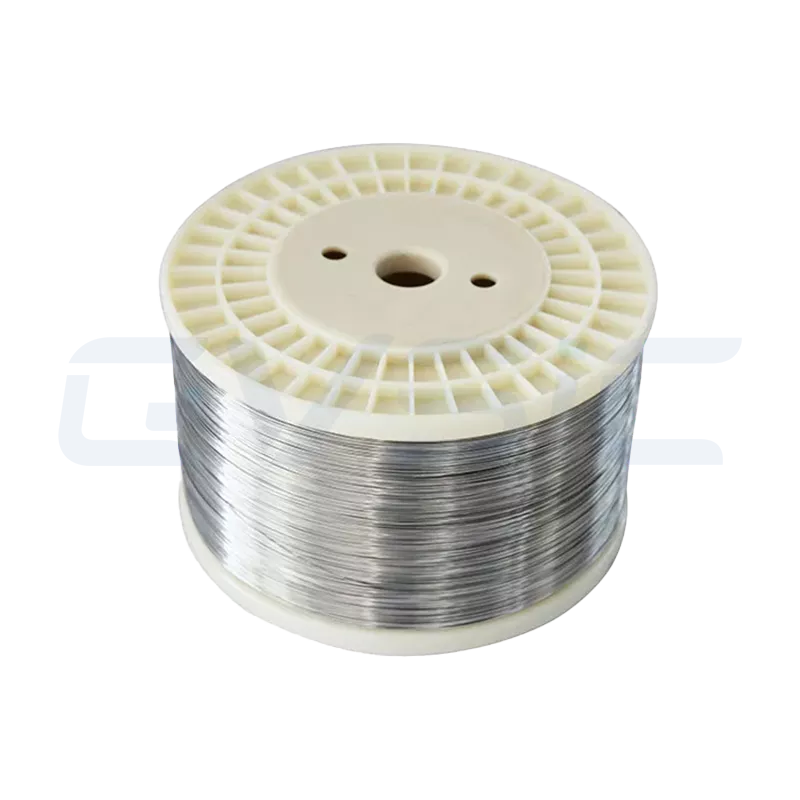
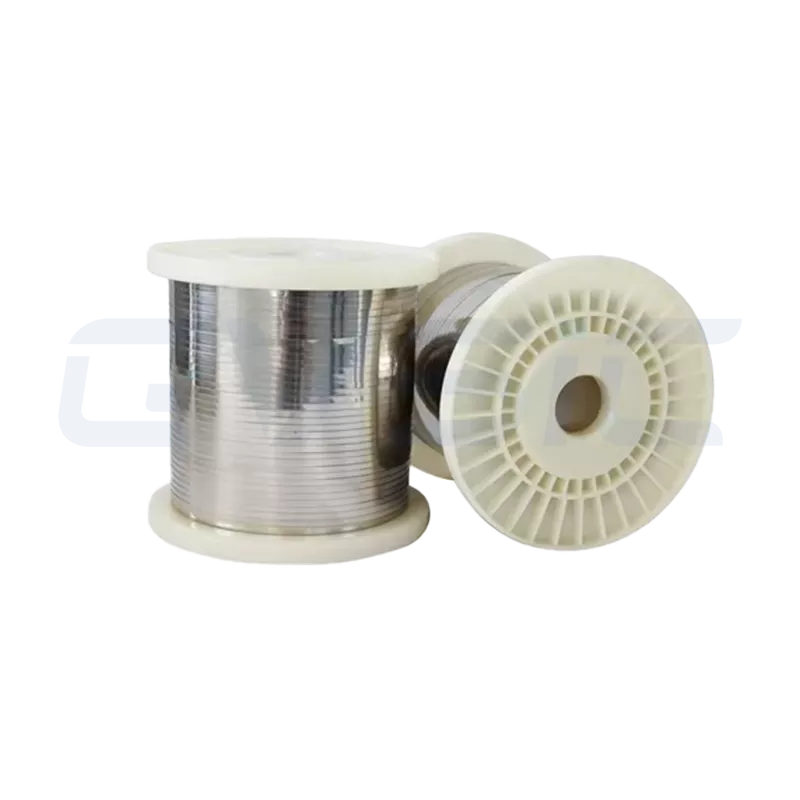
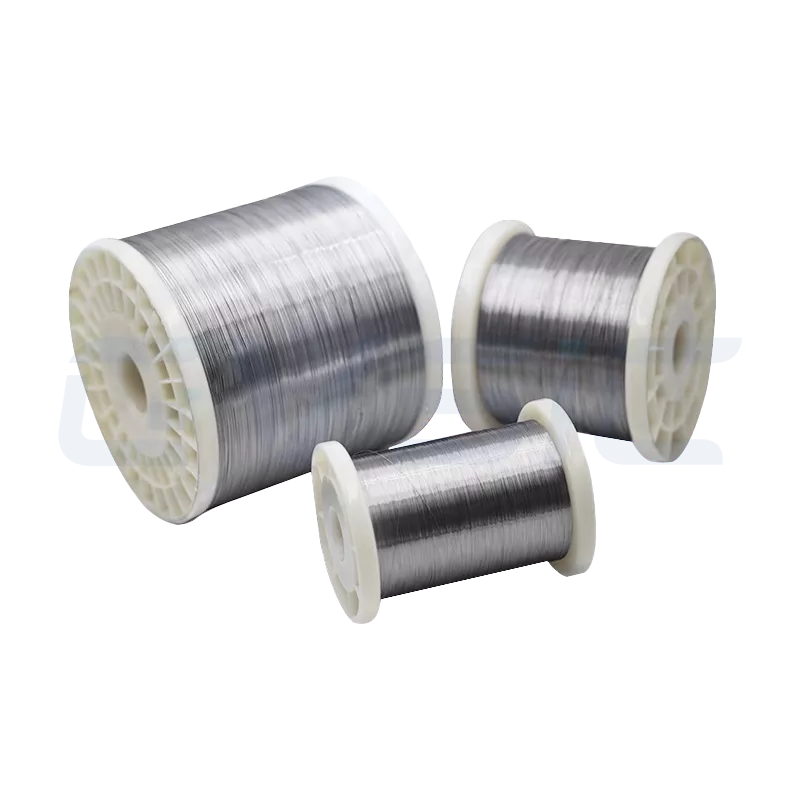
Custom FeCrAl Alloy Manufacturer



CVSIC’s Field-Proven Selection Philosophy
Across real projects, we consistently favor:
- Building in a safety margin for extended life
- Choosing a slightly higher grade for added stability
- Steering clear of FeCrAl in unsuitable duties (e.g., aggressive cycling, reducing atmospheres)
Core insight: FeCrAl failures almost always come from pushing it right to — or beyond — its practical envelope, not from inherent weakness.
FAQ About FeCrAl Selection
Can I pick the “highest-grade” FeCrAl from the table?
Not advisable in practice. Top-tier grades offer peak performance but come with narrower operating windows and lower tolerance for deviations — often leading to earlier failure if conditions aren’t perfect.
Two grades show similar long-term temperatures — which wins?
Prioritize the one with:
- Easier processing / better formability
- Broader field track record
- Larger built-in safety margin
Budget is tight — how do I stay safe?
Protect yourself by:
- Accepting a modestly lower design temperature
- Using a thicker wire diameter
- Strictly controlling surface loading
…rather than compromising on grade. The small material savings rarely justify the risk.