
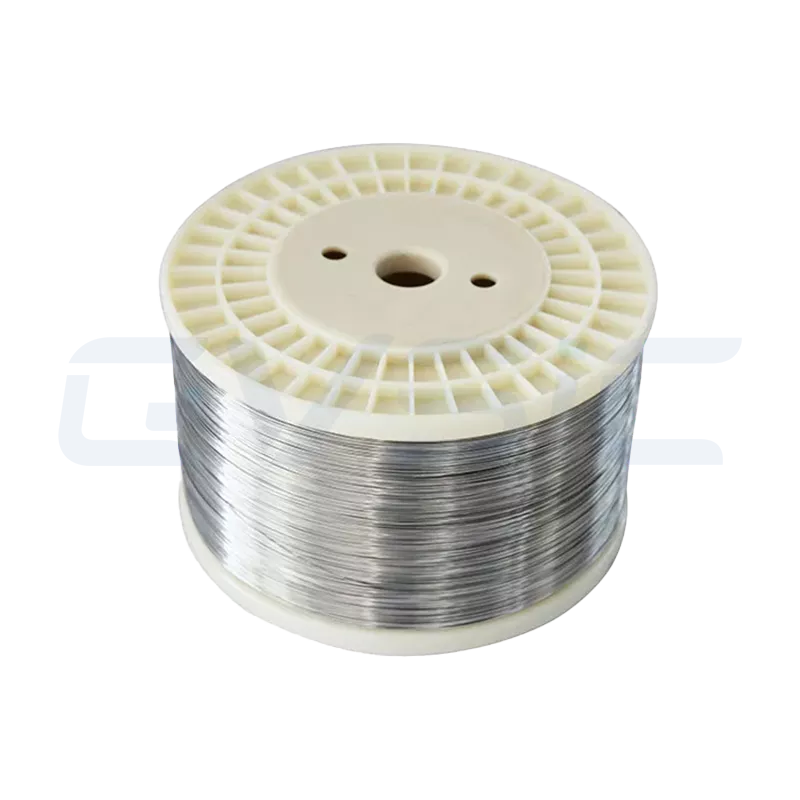
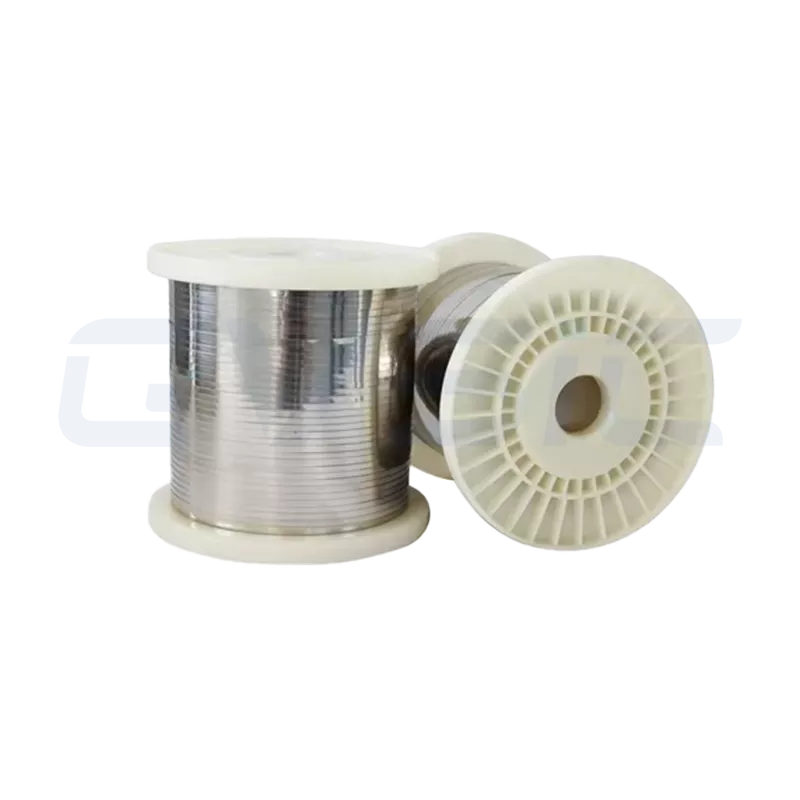
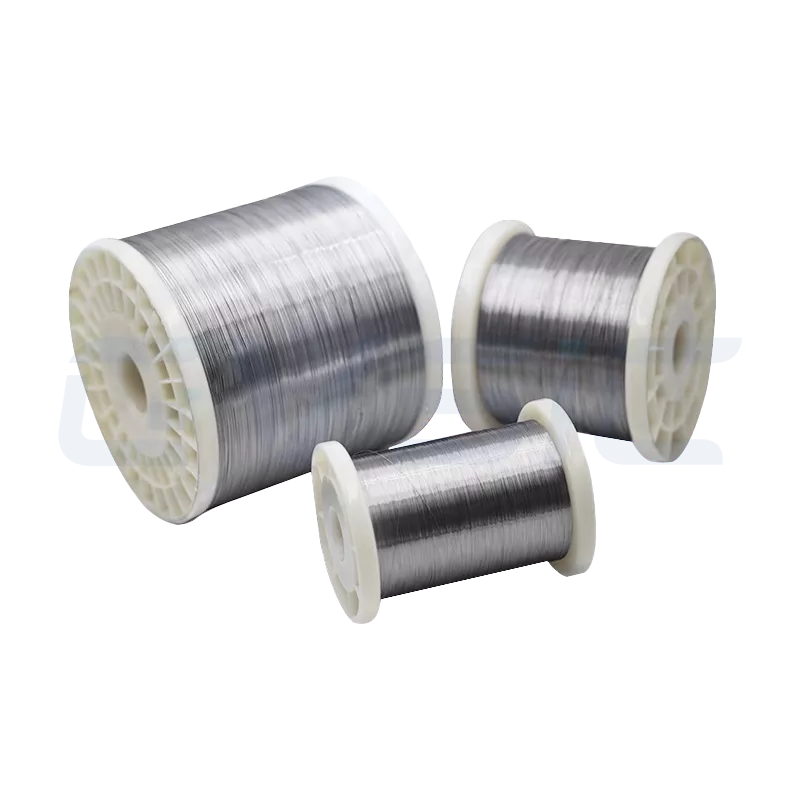
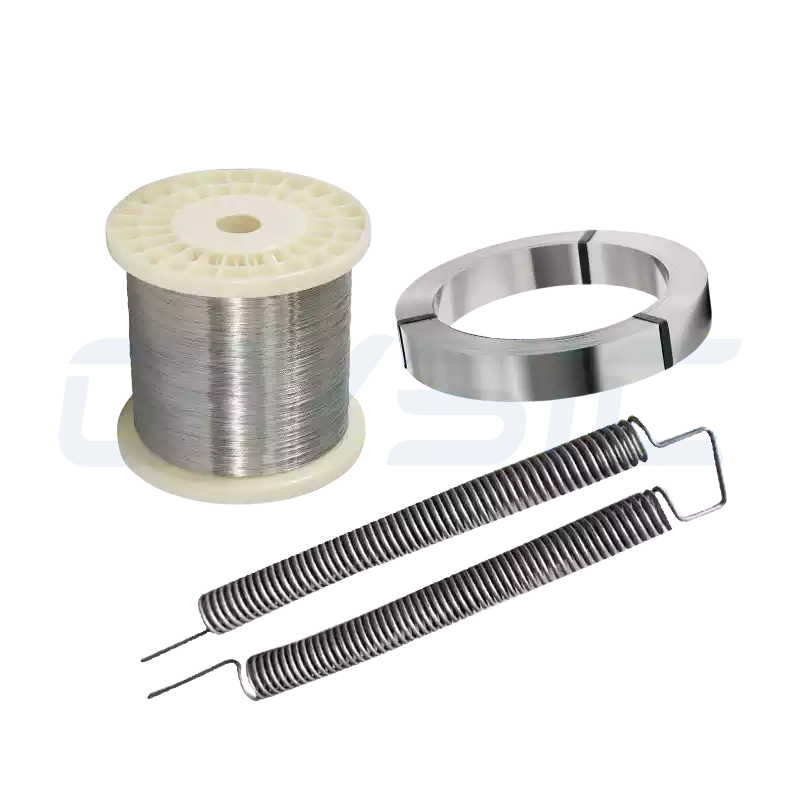
FeCrAl resistance wire is the most common electric heating element in industrial furnaces, offering excellent high-temperature resistance and oxidation resistance. In this article, CVSIC will explain the fundamental nature of FeCrAl alloy’s outstanding oxidation resistance.
FeCrAl doesn’t survive crazy high temperatures because the alloy itself is some kind of superhero. It survives because of the super-thin Al₂O₃ oxide layer sitting on its surface.
Once that layer gets wrecked, the high-temp advantage vanishes fast—sometimes in hours or days.
New to FeCrAl? Start with the full FeCrAl resistance wire guide first.
How does that Al₂O₃ layer actually keep FeCrAl alive?
The part that’s really taking the heat is the oxide film—not the metal underneath.
When you run current through FeCrAl at high temp, this key process happens on the surface:
- Aluminum atoms diffuse out from inside the alloy
- They grab oxygen from the air
- Boom—thin, tough Al₂O₃ (alumina) layer forms
Here’s why engineers care about this film:
- Melting point is insane—stable way past 1400℃
- Almost no oxygen gets through it
- Electrically insulating (current stays in the wire)
- Chemically tough—doesn’t react with much
Why Al₂O₃ instead of something else?
This is what separates FeCrAl from NiCr.
- NiCr leans on Cr₂O₃
- FeCrAl bets everything on Al₂O₃
Quick side-by-side:
| Comparison Point | Al₂O₃ | Cr₂O₃ |
|---|---|---|
| High-temperature stability | Higher | Lower |
| Oxygen diffusion barrier | Extremely strong | Medium |
| Ultimate temperature resistance | Higher | Lower |
Bottom line: Al₂O₃ is why FeCrAl can push to temperatures that would kill NiCr.

How does the Al₂O₃ film actually form and stay alive?
Biggest trap we see: “Hey, it’s got aluminum in it—so of course the film will form.”
Wrong—and it’s a dangerous wrong.
Three must-have conditions (miss any one and you’re in trouble):
- Enough aluminum: usually 4–7% in real engineering alloys
- Right temperature range: too cold = film grows too slow; too hot = film gets destroyed before it can settle
- Stable running conditions: steady-state is great; constant on/off is terrible
That’s exactly why FeCrAl shines in continuous high-heat jobs and struggles with frequent cycling. Different Al levels suit different jobs—check the seven major FeCrAl grade differences.
Custom FeCrAl Alloy from China Resistance Wire Manufacturer



The film isn’t “set it and forget it”—it’s a living, breathing cycle
In the real world the Al₂O₃ layer forms → gets nicked or cracked → regrows → gets damaged again.
As long as it regrows at least as fast as it breaks down, the protection holds.
When breakdown wins, the film fails for good—and aluminum level is the biggest factor in how long that battle lasts.
More aluminum isn’t always better
You’d think “higher Al = indestructible oxide film.”
Nope—one of the most common and expensive mistakes.
Upsides of higher Al:
- Faster film growth
- Stronger oxidation resistance at extreme temps
That’s why high-aluminum grades exist for the hottest applications.
But here’s the catch—too much Al brings real problems:
Downside #1: Gets brittle fast Higher Al makes the wire less ductile, more prone to cracking when you bend it, coil it, or install it cold.
Downside #2: Hates thermal cycling High-Al versions are way more sensitive to on/off shocks and thermal expansion stresses.
Downside #3: Oxide film is super hard… but cracks easily under flex Al₂O₃ is:
- Rock-hard
- Super stable
- But hates repeated bending or stretching
One good through-crack → bare iron exposed → rapid local oxidation → hot spot → blown wire.
Want to compare grades with different Al levels? See our breakdown of the seven major FeCrAl alloys.
Real-world ways the Al₂O₃ film dies (from CVSIC failure investigations)
Frequent cycling / on-off
Every cycle = thermal shock → film stress → micro-cracks pile up.
This is FeCrAl’s worst enemy.
Too much local watt density
- One spot runs way hotter than the average
- Film burns off locally
- Can’t regrow fast enough
Failure almost always starts at that one hot spot—not everywhere at once.
Bad atmosphere
Al₂O₃ loves clean, oxidizing air.
It gets destroyed fast by:
- Sulfur compounds
- High carbon / carburizing conditions
- Strongly reducing gases
All mess with film regrowth or attack the layer directly.
Running right at the material’s limit
Classic engineering mistake:
- No safety margin
- Treating max rating as normal operating point
- One little upset → permanent damage
How to actually use FeCrAl properly (mechanism-based rules)
Once you get the film logic, the playbook is simple:
- Stay well below the absolute max temperature
- Keep surface loading conservative
- Avoid unnecessary cycling whenever possible
- Pick an Al content that’s “good enough” instead of “maximum possible”
Protect the film = protect the whole system.
Get the Al₂O₃ film, and you get FeCrAl
FeCrAl’s high-temperature superpower isn’t in the alloy composition on paper—it lives entirely in that protective Al₂O₃ layer.
Design around keeping that film happy, and FeCrAl can be rock-solid reliable.
Ignore it, and you’ll usually see failure come a lot sooner than the catalog promised.
FAQ
Can a damaged oxide film heal itself?
Small damage—yes, it can regrow. Big through-cracks or spalling? Usually the wire’s life is already cut short.
Why do brand-new wires sometimes fail quicker than used ones?
The very first few heat cycles are brutal—the initial film isn’t tough yet. Early damage sets the tone for the rest of its life.
Why does NiCr handle cycling better?
Cr₂O₃ is more flexible and “forgiving” under thermal expansion/contraction—even though it can’t take temperatures as high as Al₂O₃.